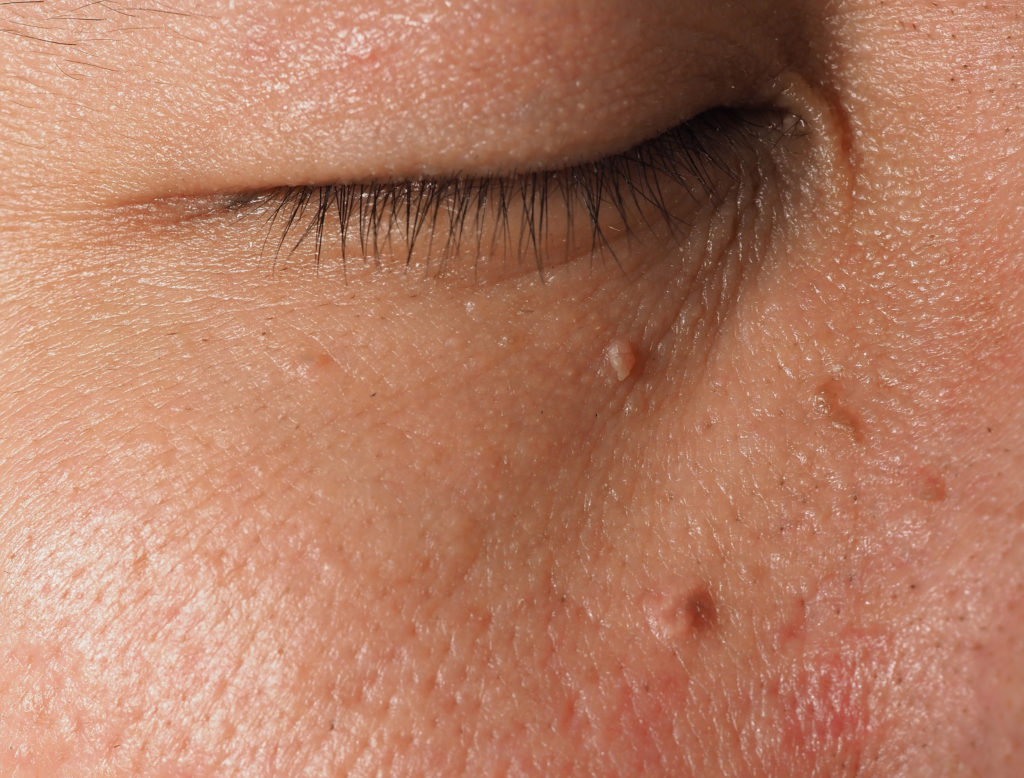
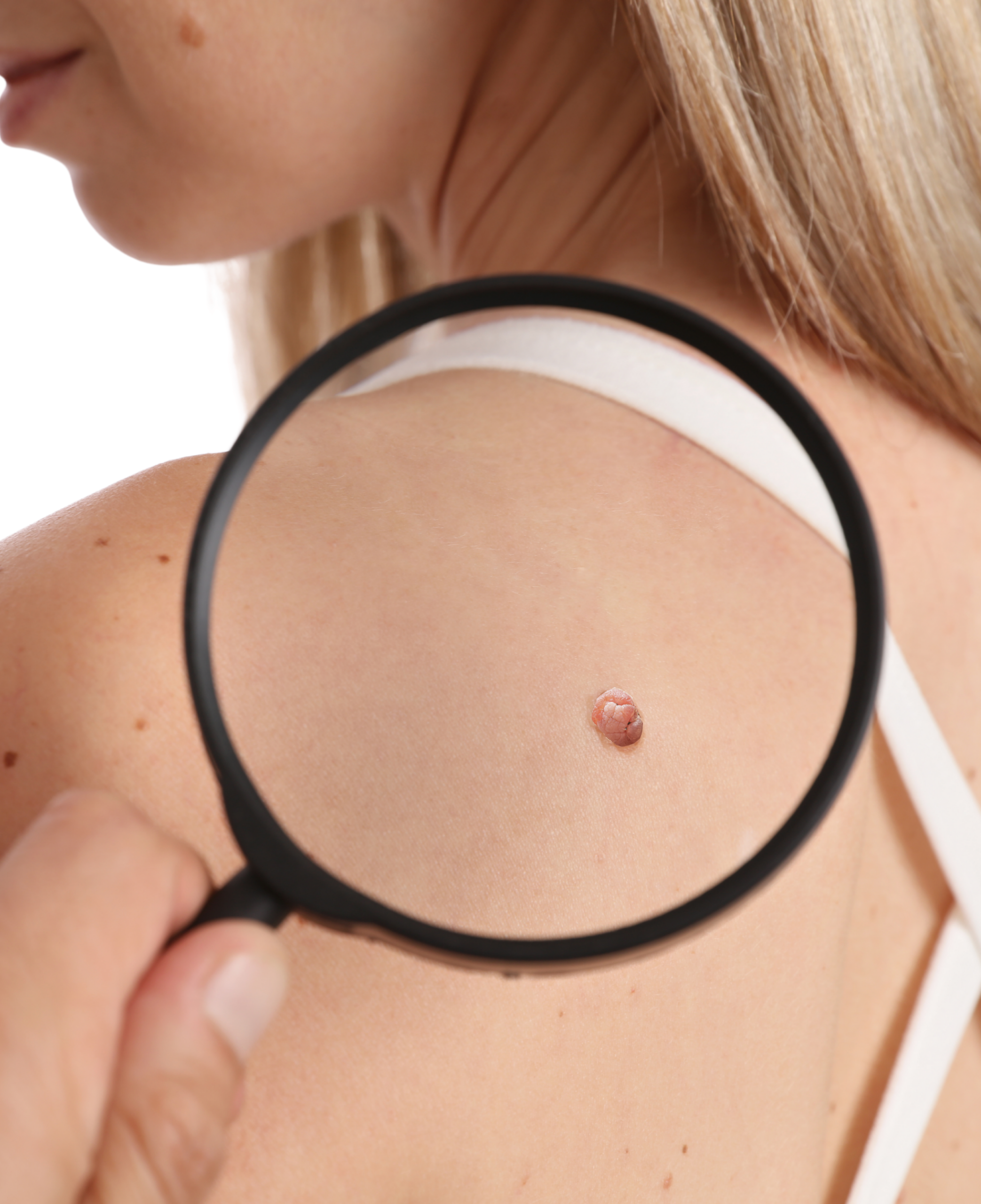
A skin tag is a small, benign growth that hangs off the skin by a thin stalk, and many individuals seek skin tag removal in Singapore when these growths become visible or irritating.
Before any removal, a doctor examines the growth to confirm that it is a skin tag. The tag is then removed by the doctor through CO2 laser removal in surgical cut mode, which cuts it off at its base and seals small blood vessels as it goes.
At TruGlow Medical Aesthetics, a doctor-led, MOH-licensed clinic at The Heeren on Orchard Road, the laser settings are adjusted to each skin tag’s size, thickness, and location following the assessment.
A skin tag, medically known as an acrochordon, is a small flap of soft tissue that hangs off the skin by a thin stalk called a peduncle. They are usually flesh-coloured or slightly darker and are typically painless. Skin tags are considered benign, meaning they are non-cancerous, and they may rarely cause medical complications.
Skin tags are common and often appear in adults as part of the natural ageing process. While generally harmless, some individuals may choose to have them removed for cosmetic reasons or to reduce irritation caused by friction with clothing or jewellery.
Symptoms
Signs or Symptoms of a Skin Tag
Skin tags are small, soft growths that can appear flesh-coloured or slightly darker. They often hang from the skin’s surface on a thin stalk and feel smooth to the touch, distinguishing them from warts.
They vary in size, from just a few millimetres to several centimetres, and may appear alone or in clusters. Common areas include the neck, underarms, eyelids, groin, upper thighs, and under the breasts, where friction is frequent.
While usually painless and harmless, skin tags may become irritated or bleed if rubbed by clothing or jewellery.
Diagnosis
Skin Tag or Something Else?
Several common growths can look like a skin tag at first glance, which is why a doctor examines the growth closely before anything is removed. Here is how each tends to differ:
Wart: A wart has a rough surface and is caused by the human papillomavirus (HPV), so it can spread to other areas of skin and to other people. Warts are often found on the hands and feet.
Mole: A mole is made up of pigment cells and may be flat or raised, ranging from brown to black. A mole that is changing calls for a doctor’s examination before any mole removal treatment is considered.
Seborrhoeic keratosis: A waxy, “stuck-on” growth that tends to become more common with age. At TruGlow, these may also be removed with the CO2 laser after a doctor’s assessment.
Milia: Small, firm, white cysts that sit within the skin rather than hanging from a stalk, most often on the face. If the growth turns out to be milia, our clinical team assesses it for milia seed removal.
If a growth shows any of the following, the doctor examines it more closely and holds off on laser removal until its cause is clear:
Bleeding: Bleeds without being caught or rubbed
Change: Grows quickly, or changes in size, shape, or colour
Colour: Looks dark or has several colours
Sore: Forms a sore that does not heal
Causes
What Causes Skin Tags?
The exact cause of skin tags is not fully understood, but several factors are thought to contribute:
Friction
Skin rubbing against skin or clothing, especially in folds such as the underarms or groin, along with irritation from shaving, jewellery, or tight clothing.
Genetics
A family history of skin tags can increase likelihood.
Ageing
Skin tags tend to appear more often as we grow older, and the natural loss of skin elasticity that comes with skin ageing may play a role.
Hormonal Changes
Shifts in hormones and growth factors, particularly during pregnancy, may contribute.
Weight and Metabolic Health
Being overweight, insulin resistance, type 2 diabetes, and metabolic syndrome are all associated with skin tags, and extra skin folds can add to friction.
Having many skin tags, especially alongside dark, velvety patches on the neck or in the underarms (known as acanthosis nigricans), can be a sign of insulin resistance, so it may be worth asking the doctor about a blood sugar test.
Treatment options
Removal Treatment for Skin Tags
After the assessment, the doctor recommends the removal method that suits each skin tag.
01
CO2 Laser Treatment (Surgical)
At TruGlow, CO₂ Laser in surgical mode is used for skin tag removal after a doctor’s assessment. The focused CO₂ beam removes skin tags at the base while sealing small blood vessels to reduce bleeding and support clean healing.
The CO2 laser may be used for skin tags on the neck, underarms, body folds and, most commonly, the face, and the area should be free of infection on the day of treatment. If the skin around a tag is irritated or infected, please let our clinical team know, as removal may be planned once the area has settled.
02
Recovery and Aftercare
Healing after skin tag removal tends to follow a familiar pattern, though timings vary from person to person:
First 1 to 2 days: Redness around the treated area
Following days: Small scabs form, which usually fall off within 5 to 10 days
1 to 3 weeks: Mild pinkness that may linger as the skin settles
To support healing, our clinical team generally recommends the following steps:
First 7 days: Antibiotic ointment 2 to 3 times a day
Next 14 days: A healing gel, as the clinical team advises
From week 3: A niacinamide serum to help reduce redness
Throughout healing: Consistent sun protection, and resting the area from picking, scratching, harsh skincare, and exfoliation until it has healed
Pricing
How Much Does Skin Tag Removal Cost in Singapore?
The total price depends on the number and size of the skin tags treated, and the clinical team assesses this and confirms the full price before treatment begins.
While skin tags cannot always be prevented, the following steps may reduce risk:
Wear loose-fitting clothing in breathable fabrics to minimise friction and excessive sweating.
Maintain a healthy weight through a balanced diet and regular exercise, which may help reduce skin folds.
Avoid tight jewellery around the neck or underarms.
Manage blood sugar levels if diabetic or prediabetic.
Why TruGlow
Choosing a Clinic for Skin Tag Removal in Singapore
When deciding where to have skin tag treatment in Singapore, the following points may help you know what to look for:
Licensing
An MOH-licensed clinic where a doctor examines the growth before confirming if it is suitable to be removed
Diagnosis before removal
A clear explanation when a growth is not a skin tag and needs further assessment first
A method matched to the tag
Sterile technique, with a removal method suited to the tag’s size and location
Clear pricing
The price associated with the treatment, stated before treatment
Aftercare support
Written aftercare instructions, and a way to reach the clinic if the site looks infected
FAQs
Frequently Asked Questions About Skin Tag Removal in Singapore
Are skin tag removals covered by insurance in Singapore?
Generally, removal is considered a cosmetic procedure and is not covered by insurance.
Is the skin tag removal procedure painful?
Some patients experience a prickling sensation, and numbing cream may be applied before the procedure to reduce discomfort.
Can skin tags come back?
Removed tags typically do not regrow in the same spot, though new ones may appear elsewhere over time.
Can I remove a skin tag at home?
Removing a skin tag at home is not recommended, as doing so may increase the risk of infection or scarring. A medical consultation is recommended so your doctor can assess the growth and advise on suitable removal options.
Are there risks or side effects of skin tag removal?
Side effects are generally minor and temporary. Patients may experience mild redness, slight swelling, or small scabs.
Can skin tags be removed immediately?
Most skin tags may show improvement within 1–2 treatment sessions. However, larger or multiple skin tags may require additional sessions, depending on their size, location and individual healing response.
Are skin tags contagious?
Skin tags are not generally considered contagious. Infection has not been established as a cause, and they are thought to be linked to factors such as friction, age, and metabolic health instead.
Are multiple skin tags removable in one session?
Whether several skin tags can be treated in one session depends on their number, size, and location. The doctor advises on the number of sessions after the assessment, as this varies from person to person.
Our medical team
Meet our doctors
Get to know the doctors at TruGlow Medical Aesthetics. Our team values authentic beauty and takes a personalised approach, understanding your unique needs and goals.