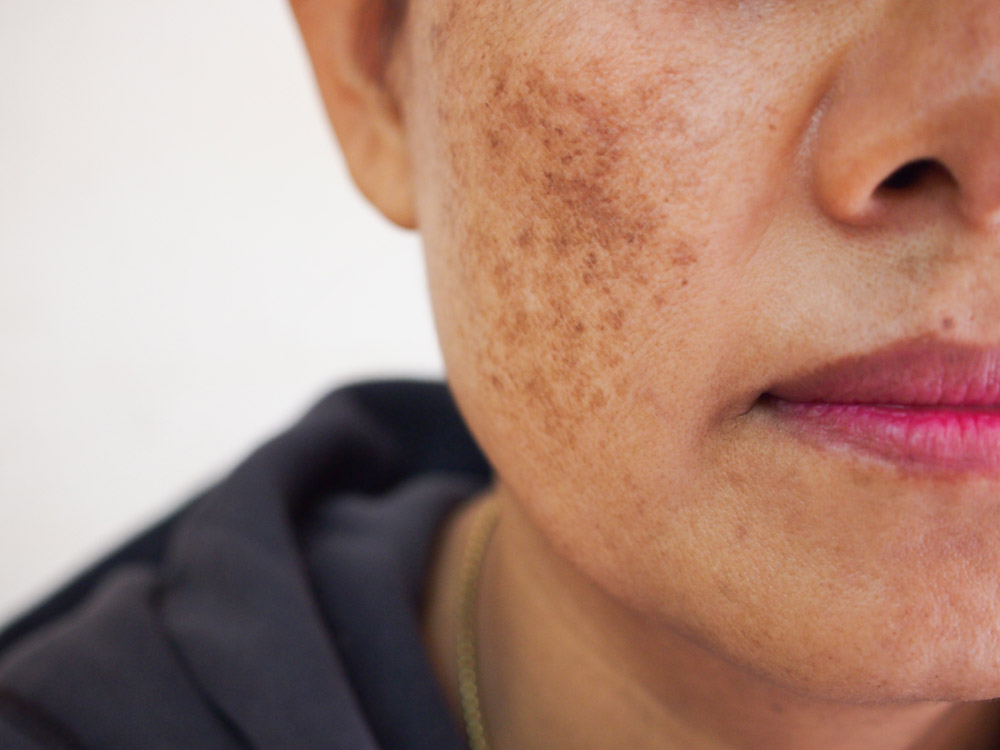
Melasma is a common skin condition that causes dark patches or uneven skin tone, often appearing on the cheeks, forehead, or upper lip. It can be influenced by factors such as sun exposure, hormones, and genetics, and while not harmful, it can be distressing for many people.
At TruGlow Medical Aesthetics, our team takes a careful and clinical approach to melasma management. Treatments are personalised after a thorough assessment and may include a combination of topical care and energy-based options designed to help manage pigmentation safely.
While complete removal of melasma spots is not always possible, melasma reduction treatments are available in Singapore to lighten patches and improve skin tone.
Melasma is a common pigmentation condition that causes symmetrical dark patches on the facial areas such as the cheeks, forehead, nose, and upper lip. It develops when the skin produces excess pigment in response to certain triggers.
Common factors include sun exposure, hormonal changes, and genetics. The condition is more frequently seen in women, particularly during pregnancy or while using hormonal contraceptives. Although melasma does not cause physical discomfort, its appearance can affect confidence and emotional well-being.
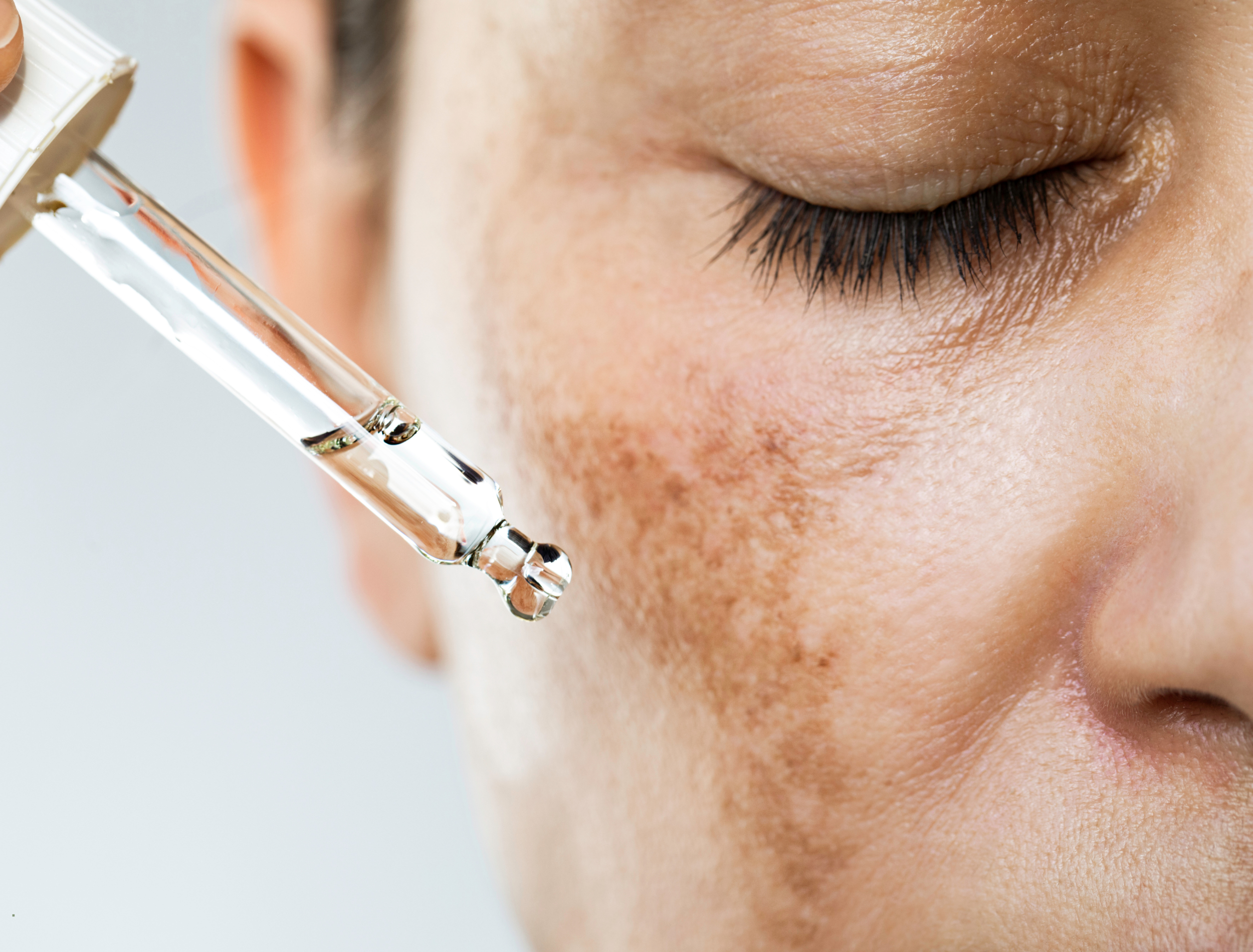
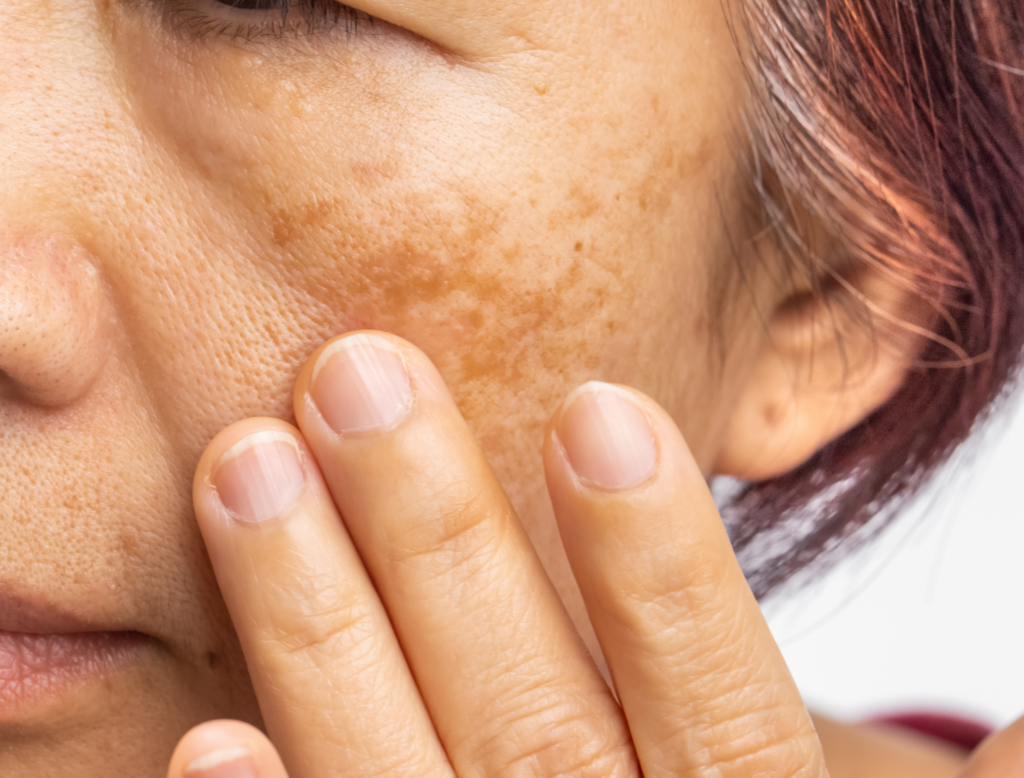
Melasma appears as flat, freckle-like patches of darker skin that range in colour from light to dark brown, and sometimes greyish. These patches often develop on the cheeks, forehead, nose, upper lip, and chin, and may also appear on the jawline, neck, or forearms.
A distinctive feature of melasma is its symmetrical pattern — patches usually form on both sides of the face and may gradually merge into larger areas. The discolouration often becomes more noticeable after sun exposure, which can stimulate pigment production.
Melasma’s exact cause remains elusive, but several factors are believed to play a role in its development. Understanding these factors is crucial for a comprehensive treatment.

A family history of melasma can increase your susceptibility to this condition. People who inherit more active melanocytes (pigment-producing skin cells) may find their skin responds more strongly to light, hormones, and other triggers.

Women are particularly prone to melasma due to hormonal changes. Often referred to as “the mask of pregnancy,” it frequently develops during pregnancy when oestrogen and progesterone levels rise. Hormone therapies such as oral contraceptives and hormone replacement therapy may also stimulate excess melanin activity, leading to the formation or worsening of pigmentation.

Melasma is more common among individuals with darker skin tones, particularly those of Hispanic, Asian, Middle Eastern, and African descent.

Certain skincare products and cosmetics can irritate the skin or make it more sensitive to UV radiation. Harsh chemicals, strong fragrances, or exfoliants may weaken the skin barrier, causing inflammation that worsens melasma.

Prolonged sun exposure is one of the most significant factors in melasma development. Both ultraviolet (UV) and visible light can stimulate melanocytes to overproduce pigment. Even a short period of unprotected sun exposure may worsen existing patches or trigger new ones.
Some medications, such as antibiotics or drugs that increase sensitivity to light, can worsen melasma. These photosensitising medicines heighten the skin’s response to sunlight, leading to increased pigmentation. Individuals may be encouraged to review their prescriptions with the doctor if melasma appears or worsens.

Fluctuations in thyroid or other hormone levels can affect pigment production and make melasma more persistent.

Stress, irregular sleep, and an unbalanced diet may indirectly aggravate melasma by affecting hormones and skin health.
Exposure to pollutants can cause oxidative stress, which may trigger or worsen pigmentation when combined with sunlight or hormonal factors.
Diagnosis usually begins with a clinical examination of the affected skin. A doctor will review medical history, lifestyle factors, and possible triggers such as pregnancy, medication use, or sun exposure. In some cases, a dermatoscope or Wood’s lamp may be used to assess the depth of pigmentation, helping to differentiate melasma from other pigmentation conditions.
Melasma requires careful management. At TruGlow, our medical team may recommend a combination of topical therapies, medical-grade skincare, and energy-based treatments. Treatment goals aim to lighten dark patches, regulate pigment activity, and prevent further worsening.
Fusion laser treatment uses a combination of different wavelengths, including Q-switched and long-pulsed modes, to target melanin at multiple skin depths while supporting overall skin health.
Consistent sun protection is one of the most important ways to manage melasma risk. Use a broad-spectrum sunscreen (SPF 30 or higher) daily and reapply regularly when outdoors. Try to limit direct sun exposure during peak hours, and wear protective clothing such as wide-brimmed hats and UV-blocking sunglasses.
Healthy habits also support skin resilience. Eat a balanced, antioxidant-rich diet, stay hydrated, and manage stress through regular exercise or relaxation techniques. If you are on hormonal therapy, speak with your healthcare provider about suitable options, as some medications may influence pigmentation.
Finally, keep to a gentle skincare routine. Avoid harsh or fragranced products that may irritate the skin, and choose mild formulations to help maintain a stable skin barrier.
It’s common to experience temporary redness, swelling, or darkening after pigmentation or skin discolouration laser treatment. Less commonly, post-inflammatory pigmentation or scarring may appear, especially in darker skin tones. These side effects are usually manageable with proper aftercare and medical supervision.
Resident Doctor
MB BCh BAO (Royal College of Surgeons in Ireland)
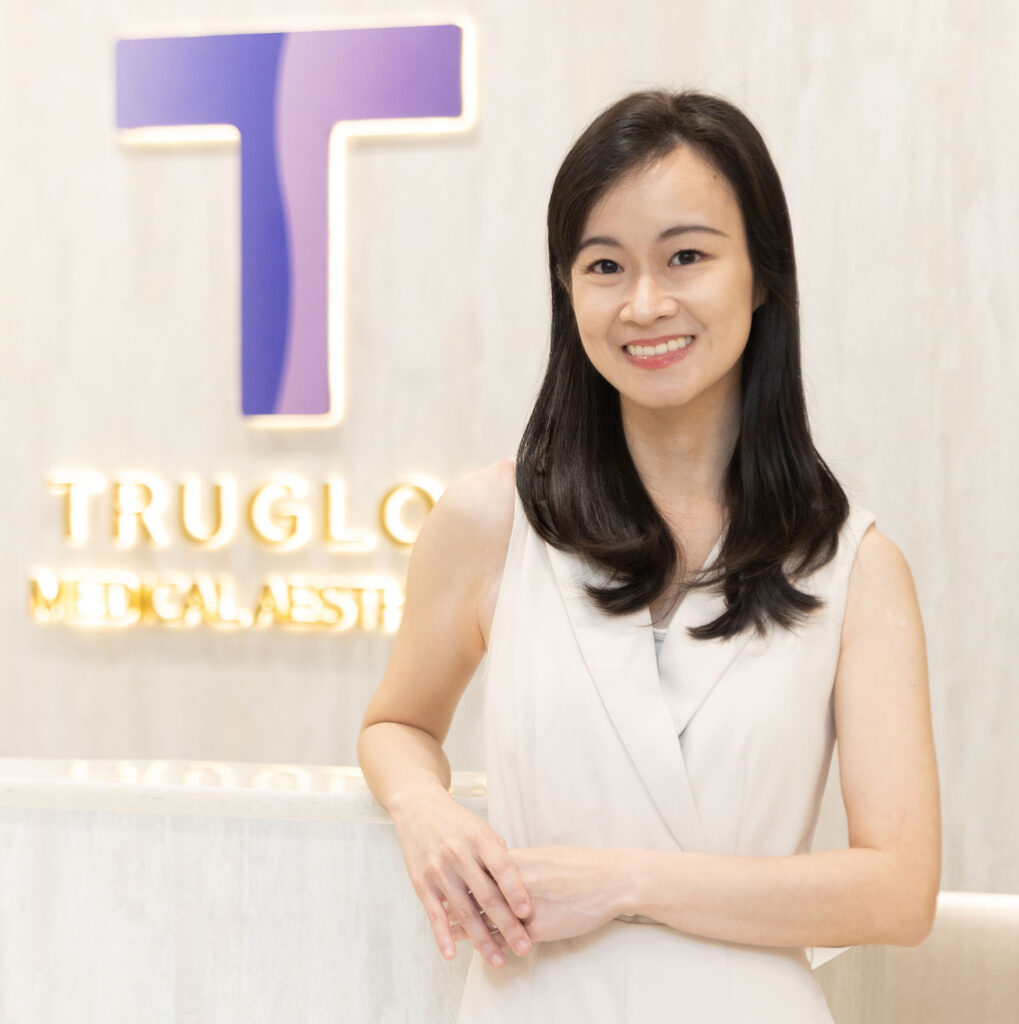
Dr Carmen Lee has a special interest in non-surgical anti-ageing and body contouring. Trained internationally in advanced injectables, thread lifting, and lasers, she brings both precision and compassion to her patients. Fluent in English, Mandarin, Malay, and Cantonese, she ensures consultations are clear and personalised.
Resident Doctor
MBBS (National University of Singapore), Diploma in Family Medicine, Diploma in Family Practice Dermatology (Singapore)
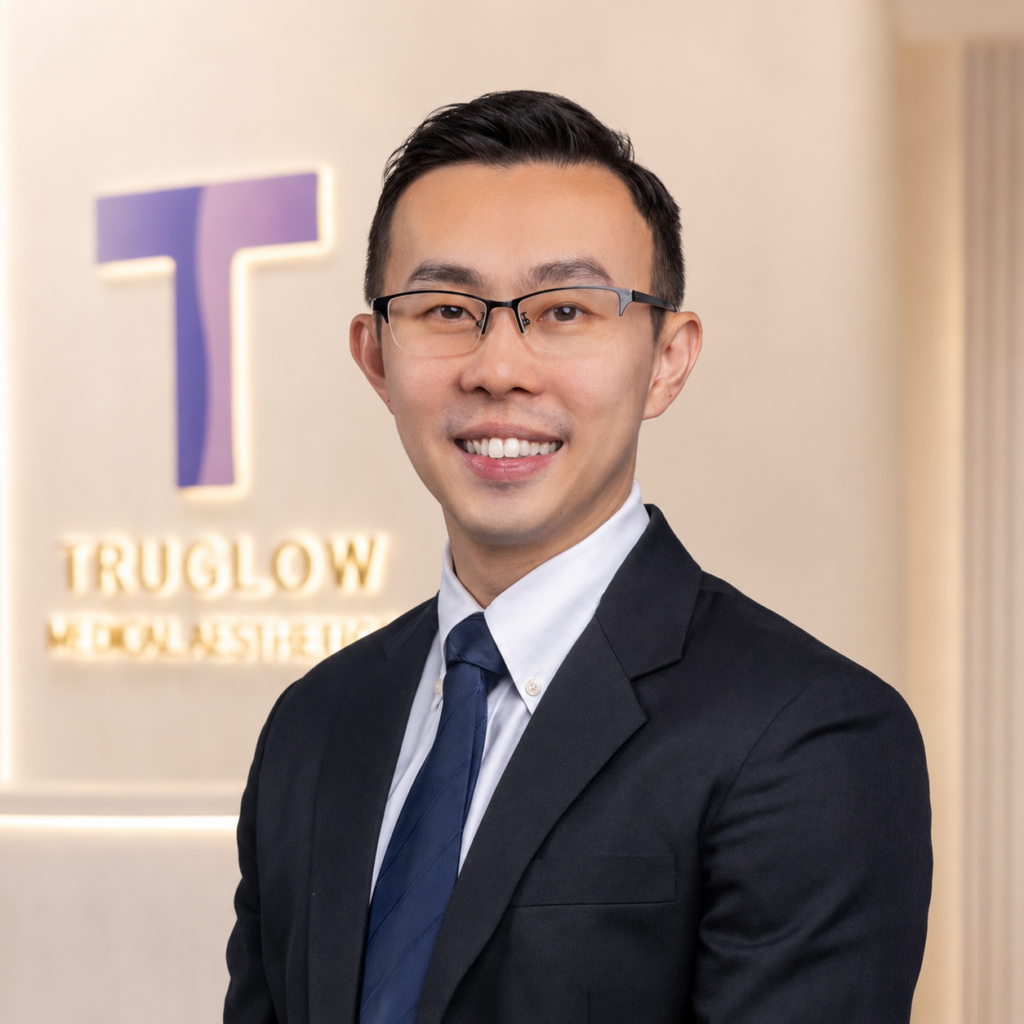
With over 20 years of experience, Dr Chew Kuok Ming blends medical expertise with a holistic approach to aesthetics. He is trained in Botox, fillers, IPL, and laser therapies, and is known for his patient-centred approach and commitment to natural-looking outcomes.
MBBS (University of Malaya), Postgraduate Diploma in Family Medicine (National University of Singapore)
Dr Stella Tay is recognised for her skill in non-surgical facial contouring and rejuvenation. Certified by ADEG and AAAM, she specialises in injectables and skin-tightening procedures. Her patient-first approach and focus on natural results have earned her the trust of many professionals and public figures.
WhatsApp us
Dr. Stella Tay
Dr. Stella Tay is a senior aesthetic physician known for her precision, clinical expertise, and commitment to natural- looking results. With a strong background in both general and aesthetic medicine, she brings a balanced, safety- focused approach to every treatment.
She holds a Bachelor of Medicine and Bachelor of Surgery (MBBS) from the University of Malaya and a Postgraduate Diploma in Family Medicine from the National University of Singapore. Her early clinical work in emergency medicine, dermatology, and minor surgical procedures provides a strong foundation for delivering safe and effective aesthetic treatments.
Dr. Stella specializes in non-surgical facial contouring and rejuvenation, including advanced injectable techniques and skin-tightening procedures. Her client-focused approach and attention to detail have earned the trust of working professionals, public figures, and individuals who value subtle yet impactful aesthetic improvements.
She is certified by the Aesthetic Dermatology Educational Group (ADEG) and the American Academy of Aesthetic Medicine (AAAM). Dr. Stella actively participates in international training and advanced courses to stay current with the latest aesthetic innovations.
At the clinic, Dr. Stella is known not only for her clinical skill but also for taking the time to understand each client’s goals, designing treatment plans that are both medically sound and aesthetically refined.
Dr. Stella Tay is a senior aesthetic physician known for her precision, clinical expertise, and commitment to natural- looking results. With a strong background in both general and aesthetic medicine, she brings a balanced, safety- focused approach to every treatment.
She holds a Bachelor of Medicine and Bachelor of Surgery (MBBS) from the University of Malaya and a Postgraduate Diploma in Family Medicine from the National University of Singapore. Her early clinical work in emergency medicine, dermatology, and minor surgical procedures provides a strong foundation for delivering safe and effective aesthetic treatments.
Dr. Stella specializes in non-surgical facial contouring and rejuvenation, including advanced injectable techniques and skin-tightening procedures. Her client-focused approach and attention to detail have earned the trust of working professionals, public figures, and individuals who value subtle yet impactful aesthetic improvements.
She is certified by the Aesthetic Dermatology Educational Group (ADEG) and the American Academy of Aesthetic Medicine (AAAM). Dr. Stella actively participates in international training and advanced courses to stay current with the latest aesthetic innovations.
At the clinic, Dr. Stella is known not only for her clinical skill but also for taking the time to understand each client’s goals, designing treatment plans that are both medically sound and aesthetically refined.