Pigmentation refers to spots or patches that appear darker than the surrounding skin, the result of excess melanin. Conditions such as dark spots, sunspots, freckles, marks left after acne, uneven tone, and melasma can develop due to various factors, including sun exposure, hormonal changes, acne, or natural ageing.
As no two pigmentation concerns are the same, our approach to pigmentation treatment in Singapore centres on tailoring each step to the skin. Our doctors may combine prescription creams, chemical peels, pico laser, broadband light (IPL) and fractional CO₂ laser where more than one concern is present. Each choice follows a careful assessment of the type of pigmentation and how deeply it sits, as a treatment that lightens one type may darken another.
At TruGlow, our clinical team adopts a careful, individualised approach, combining skincare with evidence-based technologies to help manage pigmentation concerns in Singapore.
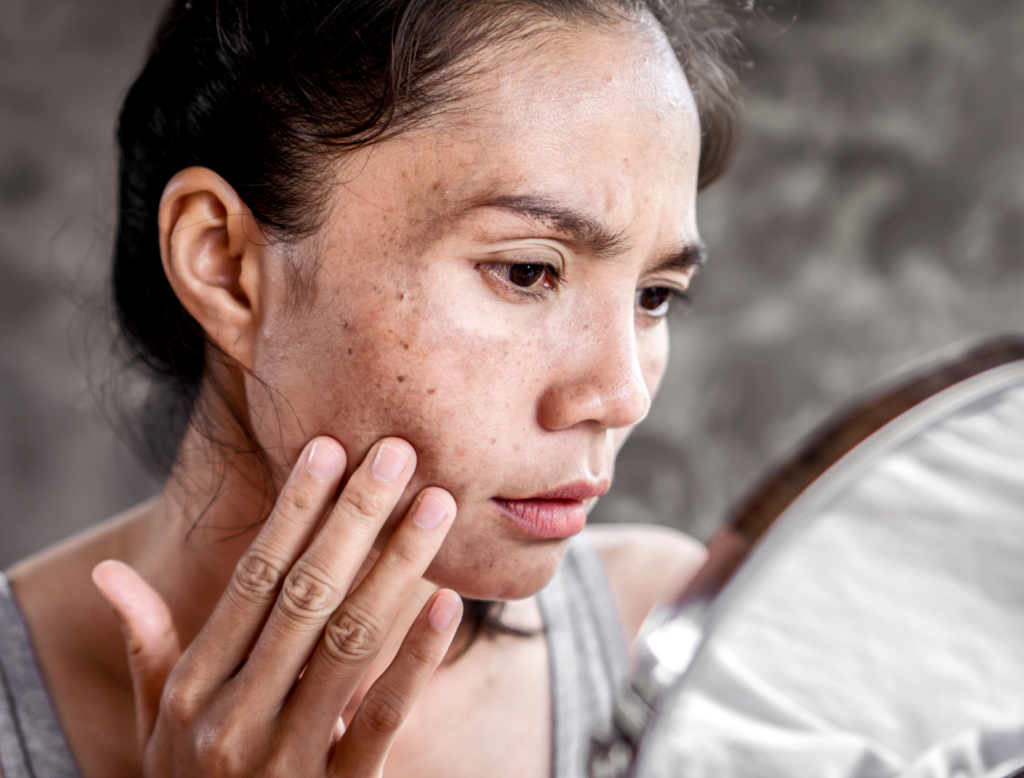
Pigmentation can result from a mix of internal and external factors, including:
Pigment can sit in the top layer of the skin (epidermal) or deeper within it (dermal). Deeper pigment generally fades more slowly and may need more sessions.
Diagnosis involves a medical history and visual examination to identify whether the condition is melasma, freckles, or PIH before recommending an appropriate treatment. At your first consultation, our doctor will typically:
Many pigmentation plans pair a prescription cream with an in-clinic treatment, so that both can support the skin over the course of care.
Our clinical team may prescribe or recommend topical products containing ingredients such as hydroquinone, kojic acid, vitamin C, or niacinamide. These agents aim to gradually fade pigmentation and help support a clearer, more even-looking complexion over time.
Prescription-strength retinoids may encourage skin cell turnover and help reduce the appearance of hyperpigmentation. Our medical team may recommend these as part of your personalised skin pigmentation treatment plan.
Our clinical team may also recommend chemical peels to help refine texture, reduce hyperpigmentation, and support a more even appearance.
Each peel and its recovery are described in more detail on our chemical peels page.
Laser treatment for pigmentation in Singapore at TruGlow draws on three light-based technologies, each suited to a different type and depth of pigment. As with every plan, laser pigmentation removal in Singapore begins with our doctors confirming what the pigment is and where it sits.
TruGlow’s pico laser treatment is designed to address several types of skin pigmentation. It delivers both picosecond and nanosecond (Q-switched) pulses.
These very short pulses break pigment into fine particles, which the body then gradually clears over the following weeks. The laser may be used for sunspots, freckles and marks after acne, and at low energy only for melasma, making it one of the options we consider for dark spot removal in Singapore.
Pico laser treatments for pigmentation tend to have minimal downtime. While you may experience some temporary redness and mild peeling, you can usually resume your regular activities shortly after treatment.
BBL skin treatment is a treatment that uses specific wavelengths of light to address pigmentation, redness, and visible signs of ageing. Although it is often grouped with lasers, it is a form of intense pulsed light (IPL) rather than a laser.
Our broadband light treatment is non-invasive, with plans adjusted based on individual skin condition and response. It is generally suited to lighter skin tones and to pigment that sits near the surface. After a session, the targeted spots may darken before gently flaking away, much like coffee grounds, over about a week. As treatment is usually deferred if the skin has recently tanned, please let our clinical team know about any recent sun exposure.
Fractional CO₂ laser works on microscopic columns of skin while leaving the surrounding skin untouched, allowing the skin to renew itself as it heals. Our doctors generally consider it when uneven tone comes with rough texture, sun damage or acne scars, rather than for individual dark spots.
Recovery takes longer, and some redness, sensitivity and dryness are expected and temporary, though they may last longer at deeper settings. Our laser skin resurfacing page covers the treatment in more detail.
To help your skin settle comfortably after treatment, our clinical team typically advises the following:
Once the skin has settled, a few consistent daily habits may help reduce the likelihood of pigmentation returning:
When considering pigmentation treatment, the following points may help you understand what to expect from a consultation:
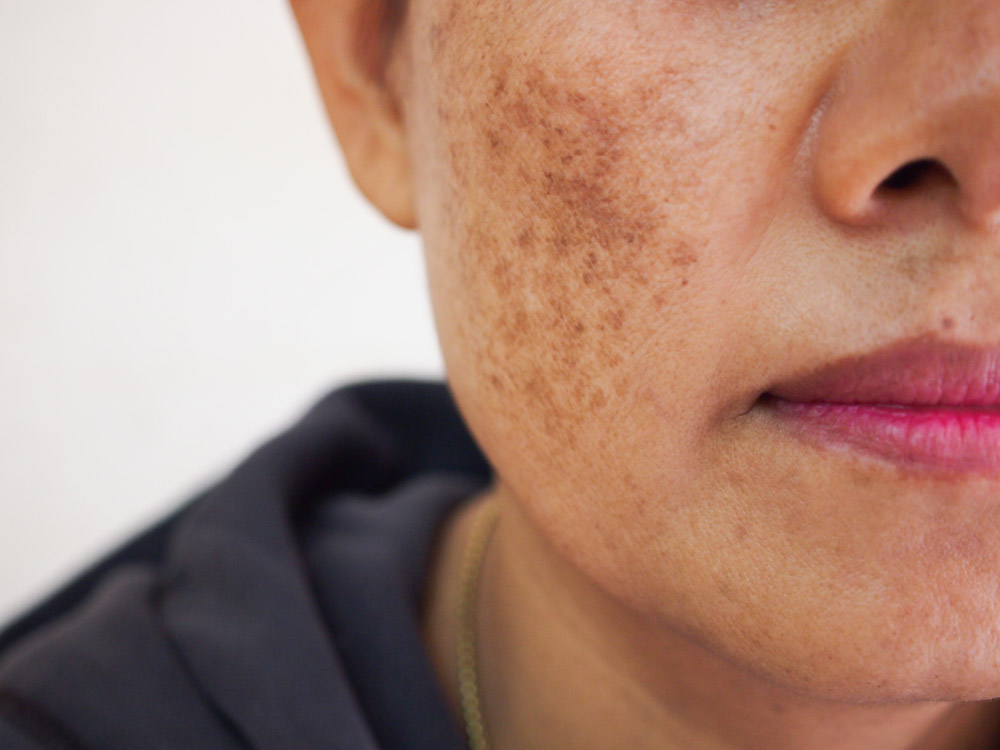
Hyperpigmentation is a broad term for darkened areas caused by excess melanin. Melasma is a specific condition, appearing as brown or grey-brown patches often linked to hormones.
Many pigmentation types may be lightened or improved with topical agents, peels, or laser pigmentation removal in Singapore. Surface spots such as sunspots and freckles often lighten more readily, while melasma and deeper pigment tend to lighten gradually rather than clear completely. Results depend on severity, with maintenance and sun protection needed to preserve outcomes.
Pigmentation removal can be performed on various skin types, but darker skin tones carry a higher risk of temporary darkening after lasers or peels, known as post-inflammatory hyperpigmentation. To help reduce this risk, our doctors may lower the settings, space sessions further apart, or offer alternative treatment options.
Most pigmentation treatments are generally well tolerated for most individuals. Some may experience a mild snapping or warm sensation during laser procedures. Your clinical team may also apply topical numbing products or adjust treatment settings to help improve comfort.
Pigmentation may recur due to factors such as sun exposure, hormonal changes, or acne. Consistent sun protection and a proper skincare routine can help support longer-lasting results.
Pigmentation may darken briefly after treatment, before gradually lightening as the skin renews itself. The number of sessions required and the degree of improvement can vary depending on your skin type and pigmentation depth.
Our medical team
Get to know the doctors at TruGlow Medical Aesthetics. Our team values authentic beauty and takes a personalised approach, understanding your unique needs and goals.
WhatsApp us