
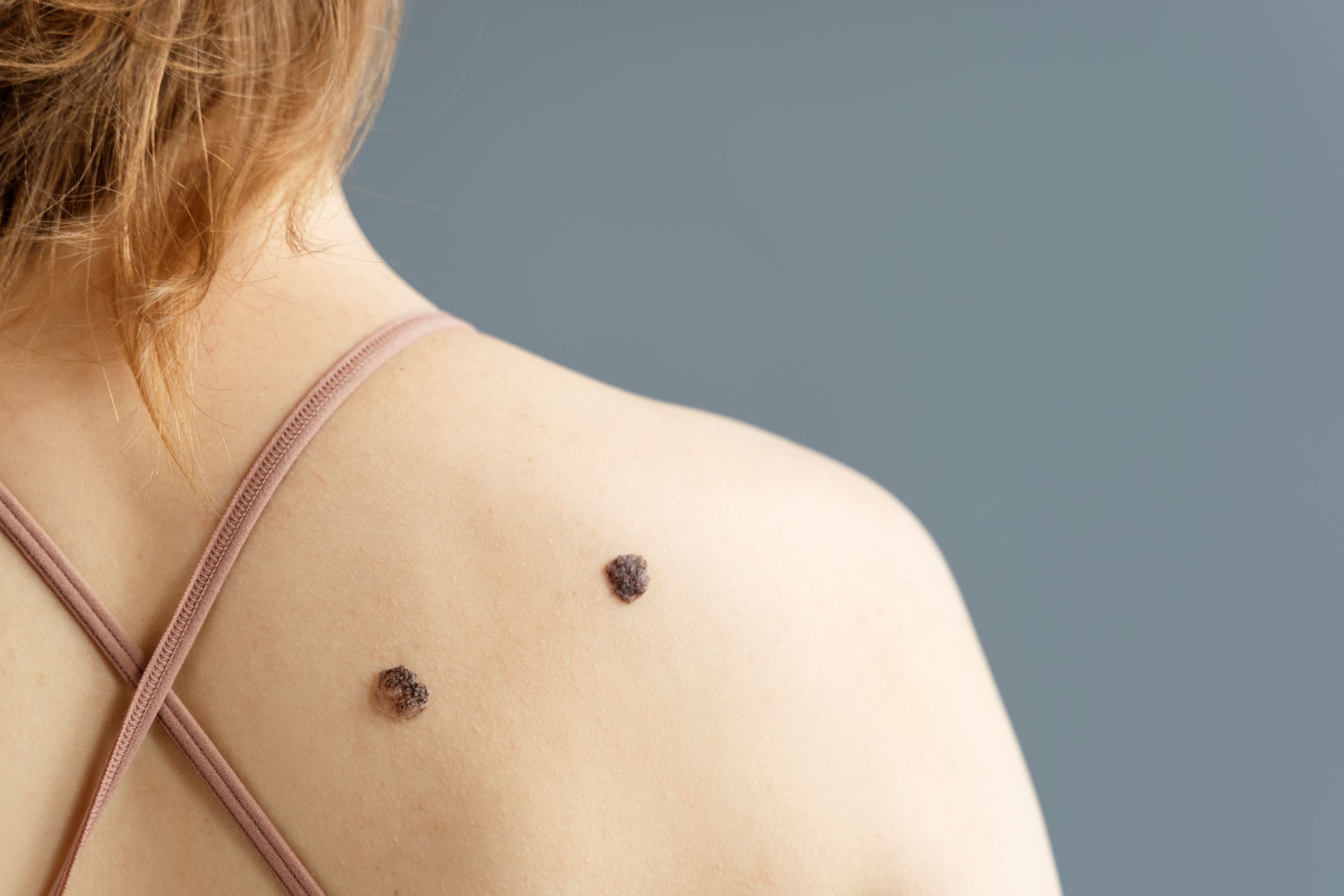
Moles, skin tags, and warts are common skin growths that most people experience at some point in their lives. These lesions are generally benign (non-cancerous) and often develop gradually over time. While many are harmless, their appearance, location, or changes over time may cause concern. Importantly, not all skin growths are alike, and some may resemble more serious conditions.
In this article, we look at how these skin growths form, their common causes, and the general range of professional removal methods available. That said, any new, changing, or symptomatic skin lesion should always be assessed by a qualified medical professional to ensure accurate diagnosis and appropriate management.
Moles (Nevi): Causes and When to Seek Evaluation
Many people wonder how moles form, and how to remove them. Moles, medically known as nevi, form when pigment-producing cells called melanocytes cluster together instead of being evenly distributed throughout the skin. Most people develop flat or raised moles on their face during childhood or adolescence, and their appearance may change or reduce over time.
While the majority of moles are benign, medical evaluation is important, particularly for lesions that change in appearance. Healthcare professionals commonly use the ABCDE guide as a screening tool:
- Asymmetry: One half of the mole does not match the other.
- Border: Edges appear irregular, blurred, or uneven.
- Colour: Variation in colour, including shades of brown, black, red, white, or blue.
- Diameter: Larger than approximately 6 mm.
- Evolution: Noticeable changes in size, shape, colour, or symptoms.
These features do not confirm malignancy but indicate the need for professional assessment. This is particularly relevant for individuals considering mole removal in Singapore, where accurate diagnosis is essential before any procedure is discussed.
Skin Tags: Causes and Characteristics
What are skin tags, and what causes them? Skin tags, also known as acrochordons, are small, soft, benign growths composed of collagen fibres and blood vessels surrounded by skin. They commonly develop in areas where skin rubs against skin or clothing, such as the neck, underarms, groin, or eyelids.
The exact cause of skin tags is not fully understood. However, they are associated with:
- Skin friction
- Ageing
- Obesity
- Hormonal changes, including during pregnancy
Skin tags are typically flesh-coloured or slightly darker and are often attached by a narrow stalk. They are not contagious and typically do not pose a medical risk, though they may become irritated by jewellery or repeated friction, and hence some individuals consider options relating to skin tag removal.
Warts (Verrucae): Causes and Contagion
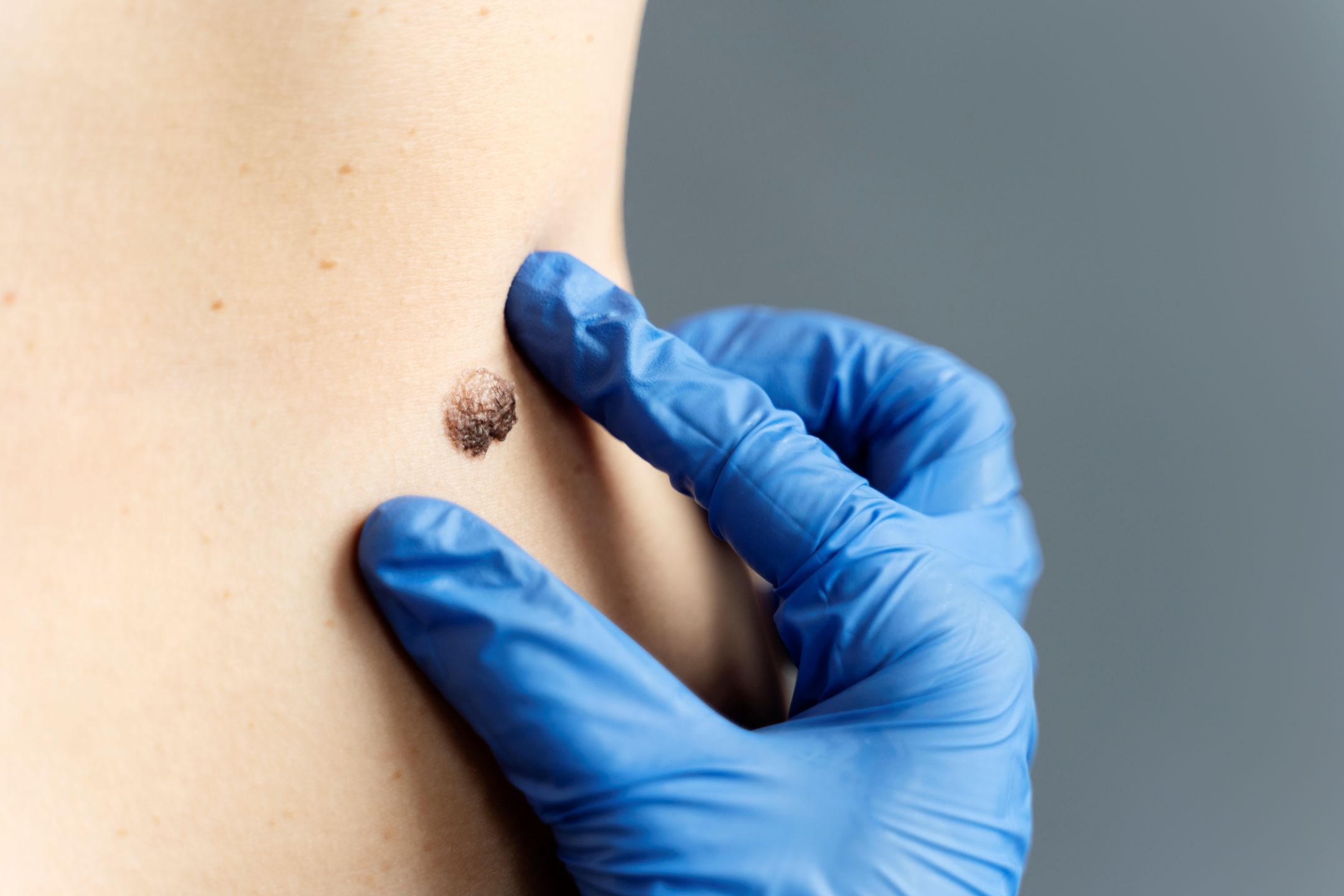
Warts are caused by infection with the human papillomavirus (HPV). The virus enters the skin through small cuts or abrasions, triggering rapid cell growth in the outer skin layer. This results in the characteristic rough, thickened appearance.
Warts may appear on the hands, feet, knees, or other areas and can vary in size and texture. Unlike moles and skin tags, warts are contagious and may spread through direct skin contact or indirectly via shared surfaces. Their tendency to recur or spread often prompts individuals to seek professional advice rather than attempting self-treatment.
Discussing Professional Removal Methods
Locally, skin tag, warts or mole removal in Singapore may be considered for diagnostic clarification, physical irritation, or cosmetic reasons. Any removal should be performed by a medical professional, as unapproved home methods may lead to infection, scarring, or delayed diagnosis of more serious conditions.
Common professional removal approaches include:
- CO₂ Laser Removal: Ablative lasers, such as carbon dioxide (CO₂) lasers, emit infrared light that is strongly absorbed by water within tissue. Thus, CO₂ laser lesion removal in Singapore allows for precise, layer-by-layer removal with minimal impact on surrounding skin.
- Cryotherapy: Cryotherapy involves applying extremely cold substances, typically liquid nitrogen, to the lesion. The freezing and thawing process damages abnormal cells, leading to blister formation and eventual shedding of the lesion.
- Electrocoagulation Or Radiofrequency Ablation: These methods use high-frequency electrical currents delivered through a fine probe to generate heat. The thermal effect destroys the targeted tissue while sealing small blood vessels, reducing bleeding..
The choice of method depends on factors such as lesion type, size, depth, and location.
The Recovery Process and Temporary Effects
A medical professional will advise on the most appropriate technique for mole, skin tag or wart removal and provide individualised aftercare guidance. After a procedure such as CO₂ laser removal, it is normal to experience temporary effects such as mild redness, swelling, or the formation of a small scab at the treatment site. These changes typically resolve as the sensitive skin heals. The healing process varies between individuals and depends on the treatment method and the area involved.
If you have concerns aboutmole, skin tag or wart removal, do schedule an appointment with us to discuss with our medical team.
