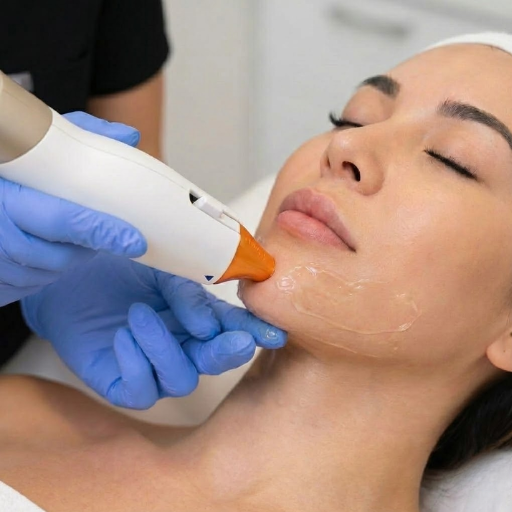

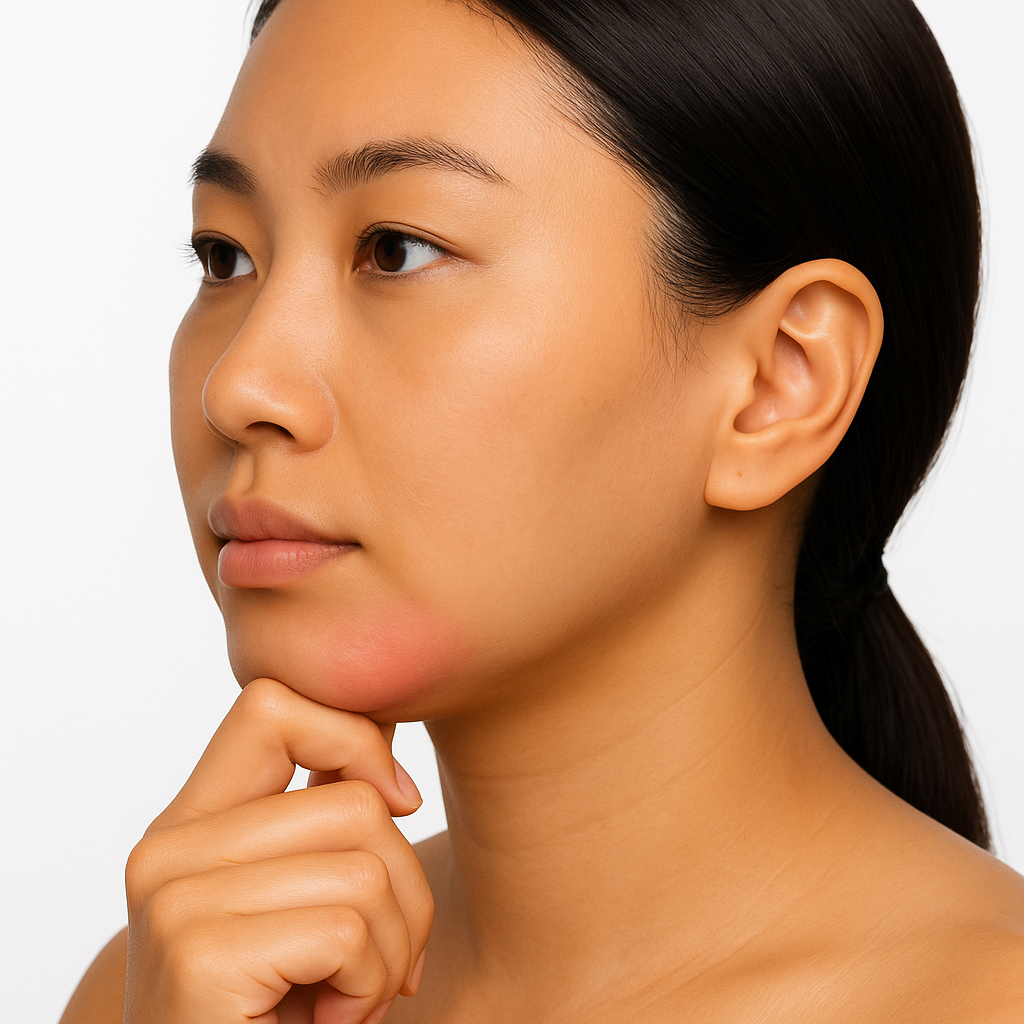
A double chin, also known as submental fat, occurs when excess fat accumulates beneath the chin, leading to a potentially less defined jawline or neck area. Genetic predisposition and ageing can both play a role in uneven fat distribution. While primarily a cosmetic concern, some individuals may also experience discomfort, or a dip in self-confidence due to the presence of a double chin.
Depending on your skin condition, these are the approaches that TruGlow’s Clinical Team may recommend to address excess fat beneath the chin:
For more information about our double chin slimming treatments, contact our clinic to arrange a consultation.
While often associated with weight gain, it’s advisable to understand that a double chin can be a result of genetics, ageing, and even your daily habits.
As we age, our skin naturally loses its firmness and elasticity. This is potentially due to a decline in the production of collagen and elastin, the proteins that provide structure and plumpness to our skin. The muscles in our neck and chin may also weaken over time. This combination of sagging skin and weakened muscles can lead to the formation of a double chin, making it appear fuller and less defined.
Genetics can play a role in the development of a double chin. If a family member has a double chin, you may be more genetically predisposed to developing one yourself, even if you maintain a healthy weight. This is because your genes can influence where your body stores fat and the inherent elasticity of your skin.
Your lifestyle and diet have a direct impact on your body, including the submental area. A diet high in calories, unhealthy fats, and processed foods can lead to weight gain, and in some individuals, this excess fat may be stored under the chin. A sedentary lifestyle, coupled with poor dietary choices, can also slow down your metabolism, increasing the likelihood of fat accumulation in unwanted places.
The underlying skeletal structure of your face may also contribute to the appearance of a double chin. Individuals with a shorter or receding chin, or a small jawbone, may be more prone to developing a double chin. This is because a certain facial structure can create a less defined boundary between the chin and neck, making any excess skin or fat more noticeable.
Poor posture, especially from looking down at electronic devices (also known as “tech neck”), may weaken the muscles in your neck and chin. When you slouch or crane your neck forward, the muscles that hold the skin and tissue together may become less active. This can lead to a lack of elasticity and the eventual sagging of the skin and muscles, potentially contributing to the appearance of a double chin.
A double chin, or submental fullness, is a common aesthetic concern. While not always a direct cause of illness, it can be a sign of underlying health factors and may have a variety of physical and psychological impacts.
A double chin may be a visual indicator of underlying health issues such as obesity or a poor diet. Excess submental fat may also put pressure on the neck and jaw, potentially contributing to discomfort, pain, and poor posture. In rare and more severe cases, excess fat around the neck area has been associated with airway narrowing, which may contribute to snoring or breathing difficulties during sleep.
Beyond the physical, a double chin may have a notable impact on an individual’s self-esteem. It can make a person appear older or heavier than they are, affecting facial symmetry and reducing jawline definition. This may lead to increased self-consciousness and a negative body image, which may cause individuals to avoid social situations and experience reduced confidence, impacting their overall quality of life.
A prominent double chin can pose challenges during certain medical procedures, such as intubation and direct laryngoscopy. Excess soft tissue and fat around the neck can make it more difficult for healthcare professionals to achieve a clear view of the airway, potentially complicating the process for optimal airway management.
While a double chin can be a result of genetics or facial structure in healthy individuals, its presence can also be associated with underlying health risks. Since a double chin is often linked to obesity, it may be an indirect sign of a higher risk for conditions that are commonly associated with being overweight, such as cardiovascular disease, diabetes, or metabolic syndrome.
The clinical team will discuss your aesthetic goals before conducting a facial evaluation. This allows us to determine the most suitable double chin reduction treatment for you. Each procedure will be explained, including the mechanism of action, expected outcomes, and potential side effects, so you can make an informed decision.
To help optimise your treatment results, we may advise you to follow certain pre-procedure recommendations, such as staying hydrated and avoiding excessive salt intake.
There are two non-surgical options that may help reduce a double chin:
Proper aftercare is recommended to optimise the effects of your treatment. Our clinical team will provide you with specific instructions tailored to your procedure.
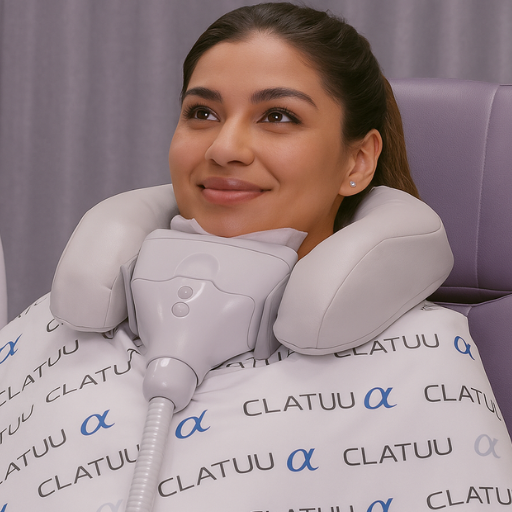
Following your Clatuu Alpha session, we recommend a 5-minute massage of the treated area once a day to help facilitate the body’s lymphatic drainage of the targeted fat cells. A follow-up consultation may be scheduled 4 to 6 weeks post-treatment.
While downtime may be minimal, some common and temporary side effects may include redness, swelling, bruising, or a tingling sensation in the treated area. These effects may subside on their own within 2 to 3 weeks.
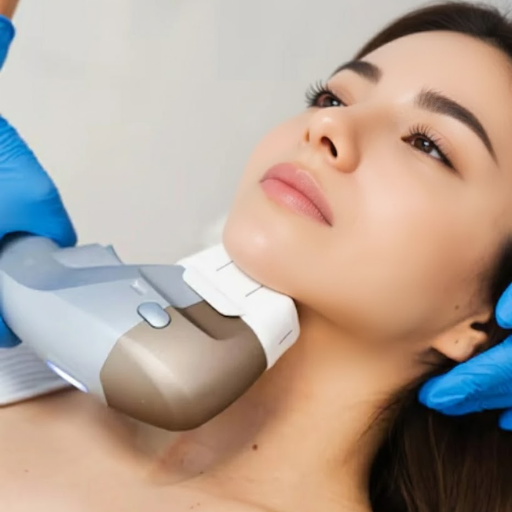
Meanwhile, if you opted for treatment with Ultraformer MPT, you may return to your daily activities. However, please note that you may experience temporary side effects such as mild redness, swelling, or tenderness in the treated area. These are typically mild and should resolve within a few days.
To support your skin’s healing and the collagen-building process, we recommend:
The results of the procedure, including skin tightening and fat reduction, are not immediate. They will gradually become more apparent over the following weeks and months as your body produces new collagen.
The number of sessions required will be determined during your consultation and may vary depending on your aesthetic goals and the degree of submental fullness and skin laxity.
Non-surgical double chin reduction procedures may be recommended for their minimal downtime and effectiveness. While generally safe, it’s advisable to be aware of the potential side effects and what to expect during your recovery.
Some of the common temporary side effects of both approaches may include:
In rare cases, a condition called Paradoxical Adipose Hyperplasia (PAH) may occur, where treated fat cells respond differently and become more prominent. Clatuu Alpha is generally well-tolerated, with no reported cases of PAH to date.
Rare side effects may include temporary redness, mild bruising, or tenderness in the treated area, which usually resolve on their own. If Ultraformer MPT is improperly administered, there is a risk of temporary nerve irritation or damage. Some of the very rare risks include burns, blisters, hyperpigmentation, or scarring, which are often associated with improper administration.
For optimal treatment experience, we recommend:
If you’re taking any medications, especially blood-thinning agents or those that may thin the skin, please inform our clinical team. Also, please note that double chin reduction treatments are not recommended for individuals who are pregnant or breastfeeding.
Following a double chin reduction procedure, proper aftercare is crucial for managing any temporary side effects and ensuring optimal results. The following guidelines may be applicable, but always follow the specific instructions provided by your clinical team.
Feel free to reach out to the clinic if you have any questions or concerns during your recovery.
At TruGlow Medical Aesthetics, every double chin treatment plan begins with a comprehensive clinical assessment. Our team evaluates your skin quality, fat distribution, and overall facial balance to determine the most appropriate course of action.
Depending on your needs, your personalised plan may include non-invasive options such as fat-freezing (e.g., Clatuu Alpha) or focused ultrasound treatment (e.g., Ultraformer MPT). These technologies are selected to help target localised fat while supporting gradual skin firming under medical supervision.
After each session, our clinical team provides tailored aftercare guidance and schedules appropriate reviews to monitor progress and support optimal results over time.

Minimal downtime ensures you can return to your routine quickly

These non-surgical treatments are designed to be scar-free and have minimal risk of visible marks.

Expect to see visible results over several weeks as the body processes treated fat cells and collagen production increases

Our procedures are known for causing fewer side effects, ensuring a more comfortable experience

Schedule a consultation with our clinical team to explore suitable options for your double chin concerns and discuss how each treatment may support your goals

While medical aesthetic procedures may offer helpful solutions for a double chin, incorporating healthy habits into your daily routine can help prevent and reduce submental fullness.

Performing targeted facial and neck exercises may help to tone and strengthen the muscles that support the chin and neck. By engaging these muscles, you can improve muscle tone and skin elasticity, which may contribute to a more defined jawline over time.

Just like the face, the neck and décolletage require dedicated skincare. Using products that contain ingredients known to help boost collagen and elastin production may help improve the skin’s firmness and elasticity. Regular moisturising also helps maintain the skin’s barrier and hydration.

Maintaining a healthy weight through a balanced diet and regular exercise is likely one of the most helpful ways to reduce a double chin caused by fat accumulation. A diet rich in fruits, vegetables, lean proteins, and whole grains, combined with cardiovascular exercise, may help reduce overall body fat.

In this digital age, poor posture may weaken the muscles that support your neck and chin, leading to a loss of definition. Consciously practicing good posture, keeping your head up, shoulders back, and phone at eye level, may help engage and strengthen these muscles.

"Yo-yo dieting," or periods of rapid weight gain and loss, can have a negative impact on skin elasticity. When you gain weight quickly, the skin stretches, and rapid weight loss can leave the skin loose and sagging. Maintaining a stable, healthy weight may help to preserve skin elasticity.

The best treatment for a double chin depends on the underlying cause, whether it’s excess fat, skin laxity, or a combination of both. During your consultation, our clinical team will evaluate your specific condition and recommend the most suitable option, such as fat freezing (cryolipolysis) for fat reduction or HIFU for both fat reduction and skin tightening.
Non-surgical treatments like fat freezing and HIFU may help target and break down the targeted fat cells. However, it’s possible for new fat cells to accumulate if you gain weight.
Yes, non-surgical treatments like cryolipolysis and HIFU are considered safe for Asian skin types. These technologies may have a low risk of complications like hyperpigmentation, especially when administered by trained and experienced professionals. A thorough consultation is always performed to ensure the treatment is suitable for your skin type.
Non-surgical double chin treatments are designed to gradually improve the appearance of submental fullness. Results may not be immediate as the body needs time to process and eliminate the treated fat cells and build new collagen. In some cases, you may notice some improvements in the submental area over several weeks or months.
The cost of double chin removal varies depending on the type of treatment, the number of sessions required, and your specific needs. During your consultation, our clinical team will create a personalised treatment plan and provide a clear quote.
Treatment durations vary by procedure. A Clatuu Alpha fat freezing session for double chin slimming typically takes about 40 to 60 minutes per session. An Ultraformer MPT treatment for the same area may take up to an hour, including the application of numbing cream.
We recommend a healthy lifestyle with a balanced diet and regular exercise to prevent new fat from accumulating. For treatments focused on skin tightening, maintenance sessions may be needed to sustain the effects over time.
Resident Doctor
MB BCh BAO (Royal College of Surgeons in Ireland)
Dr Carmen Lee has a special interest in non-surgical anti-ageing and body contouring. Trained internationally in advanced injectables, thread lifting, and lasers, she brings both precision and compassion to her patients. Fluent in English, Mandarin, Malay, and Cantonese, she ensures consultations are clear and personalised.
Resident Doctor
MBBS (National University of Singapore), Diploma in Family Medicine, Diploma in Family Practice Dermatology (Singapore)
With over 20 years of experience, Dr Chew Kuok Ming blends medical expertise with a holistic approach to aesthetics. He is trained in Botox, fillers, IPL, and laser therapies, and is known for his patient-centred approach and commitment to natural-looking outcomes.
MBBS (University of Malaya), Postgraduate Diploma in Family Medicine (National University of Singapore)
Dr Stella Tay is recognised for her skill in non-surgical facial contouring and rejuvenation. Certified by ADEG and AAAM, she specialises in injectables and skin-tightening procedures. Her patient-first approach and focus on natural results have earned her the trust of many professionals and public figures.
WhatsApp us
Dr. Stella Tay
Dr. Stella Tay is a senior aesthetic physician known for her precision, clinical expertise, and commitment to natural- looking results. With a strong background in both general and aesthetic medicine, she brings a balanced, safety- focused approach to every treatment.
She holds a Bachelor of Medicine and Bachelor of Surgery (MBBS) from the University of Malaya and a Postgraduate Diploma in Family Medicine from the National University of Singapore. Her early clinical work in emergency medicine, dermatology, and minor surgical procedures provides a strong foundation for delivering safe and effective aesthetic treatments.
Dr. Stella specializes in non-surgical facial contouring and rejuvenation, including advanced injectable techniques and skin-tightening procedures. Her client-focused approach and attention to detail have earned the trust of working professionals, public figures, and individuals who value subtle yet impactful aesthetic improvements.
She is certified by the Aesthetic Dermatology Educational Group (ADEG) and the American Academy of Aesthetic Medicine (AAAM). Dr. Stella actively participates in international training and advanced courses to stay current with the latest aesthetic innovations.
At the clinic, Dr. Stella is known not only for her clinical skill but also for taking the time to understand each client’s goals, designing treatment plans that are both medically sound and aesthetically refined.
Dr. Stella Tay is a senior aesthetic physician known for her precision, clinical expertise, and commitment to natural- looking results. With a strong background in both general and aesthetic medicine, she brings a balanced, safety- focused approach to every treatment.
She holds a Bachelor of Medicine and Bachelor of Surgery (MBBS) from the University of Malaya and a Postgraduate Diploma in Family Medicine from the National University of Singapore. Her early clinical work in emergency medicine, dermatology, and minor surgical procedures provides a strong foundation for delivering safe and effective aesthetic treatments.
Dr. Stella specializes in non-surgical facial contouring and rejuvenation, including advanced injectable techniques and skin-tightening procedures. Her client-focused approach and attention to detail have earned the trust of working professionals, public figures, and individuals who value subtle yet impactful aesthetic improvements.
She is certified by the Aesthetic Dermatology Educational Group (ADEG) and the American Academy of Aesthetic Medicine (AAAM). Dr. Stella actively participates in international training and advanced courses to stay current with the latest aesthetic innovations.
At the clinic, Dr. Stella is known not only for her clinical skill but also for taking the time to understand each client’s goals, designing treatment plans that are both medically sound and aesthetically refined.