Milia Seed Removal Singapore

Milia seeds are small, white or yellowish bumps that commonly appear around the eyes, cheeks, or nose. These tiny cysts form when keratin, a natural skin protein, becomes trapped beneath the surface, creating a firm, grain-like texture. Though harmless, milia can make the skin appear uneven and may be difficult to remove without professional care.

As milia on the face can differ in number, size, and location from one person to the next, our approach to milia seeds removal in Singapore centres on matching the method to each case, whether manual extraction, a CO2 laser used in surgical mode, or both. The doctor makes that choice at the assessment, including for milia under the eyes. At TruGlow Medical Aesthetics, a doctor-led, MOH-licensed clinic at The Heeren on Orchard Road, a doctor first examines the bumps to confirm they are milia rather than a condition that looks similar.

Table of Contents
woman with milia seed near eyes

What Are Milia Seeds?

Milia are benign (non-cancerous) and not a type of acne. Primary milia appear on their own, most often on the eyelids and cheeks, while secondary milia form where the skin has been damaged, for example after a burn, a blistering skin condition, an ablative laser treatment or chemical peel, or longer-term use of topical steroid creams.

Both types develop when dead skin cells or keratin become enclosed within small pockets of skin rather than shedding naturally. In adults, this may occur due to:

  • Prolonged sun exposure, which thickens the skin’s outer layer and traps keratin
  • Use of heavy skincare or cosmetics, which can clog pores or slow natural cell turnover
  • Skin trauma, such as burns, rashes, or over-exfoliation
  • Natural ageing, which reduces the rate of skin renewal
  • Genetic predisposition or underlying skin conditions that affect skin regeneration

Although harmless, milia seeds can persist for long periods without treatment.

skin around the eyes with bumps

Common Signs and Symptoms of Milia Seed

Milia seeds are easily recognised by their distinct appearance and texture. Typical signs include:

  • Small white or yellowish, dome-shaped bumps beneath the skin surface, firm and pearly to the touch, which do not pop like pimples
  • Painless and non-itchy, with no inflammation unless irritated or infected
  • Often appear in clusters or small groups in the same area
  • May also develop on the jawline, chin, neck, or occasionally on the genital area
  • Non-contagious, as they are not caused by bacteria or viruses

How Do Doctors Diagnose Milia Seeds?

Diagnosis of milia seeds is usually straightforward and made through a visual examination of the skin. The doctor assesses the size, shape, and distribution of the bumps, and rules out other conditions that can look similar:

  • Whiteheads (closed comedones): These form part of acne, feel softer, and can often be squeezed, whereas milia are firm and cannot be squeezed out.
  • Syringomas: These small, firm bumps may be skin-coloured or yellowish and often cluster on the lower eyelids and cheeks. They arise from sweat ducts rather than from trapped keratin.
  • Xanthelasma: These soft, yellowish patches usually sit on the eyelids near the inner corner. As xanthelasma is often linked to raised cholesterol or other blood fats, the doctor may suggest a blood test to check these levels.

During the consultation, the doctor may:

  • Examine the affected areas under adequate lighting to observe texture and depth
  • Review skincare habits, previous treatments, or use of products that may contribute to keratin buildup
  • Discuss any history of skin irritation, sun exposure, or procedures that could have triggered their formation

If a bump does not look like typical milia, the doctor may advise on further assessment before anything is removed. Once confirmed, a treatment plan is recommended based on the location, number, and size of the milia seeds.

Treatment Options for Milia Seed

At TruGlow, milia seed treatment is carried out by a doctor using one of two methods, or a combination of both, depending on what the assessment shows.

Manual extraction involves opening the thin layer of skin over each milium with a sterile instrument and gently lifting out the trapped keratin.

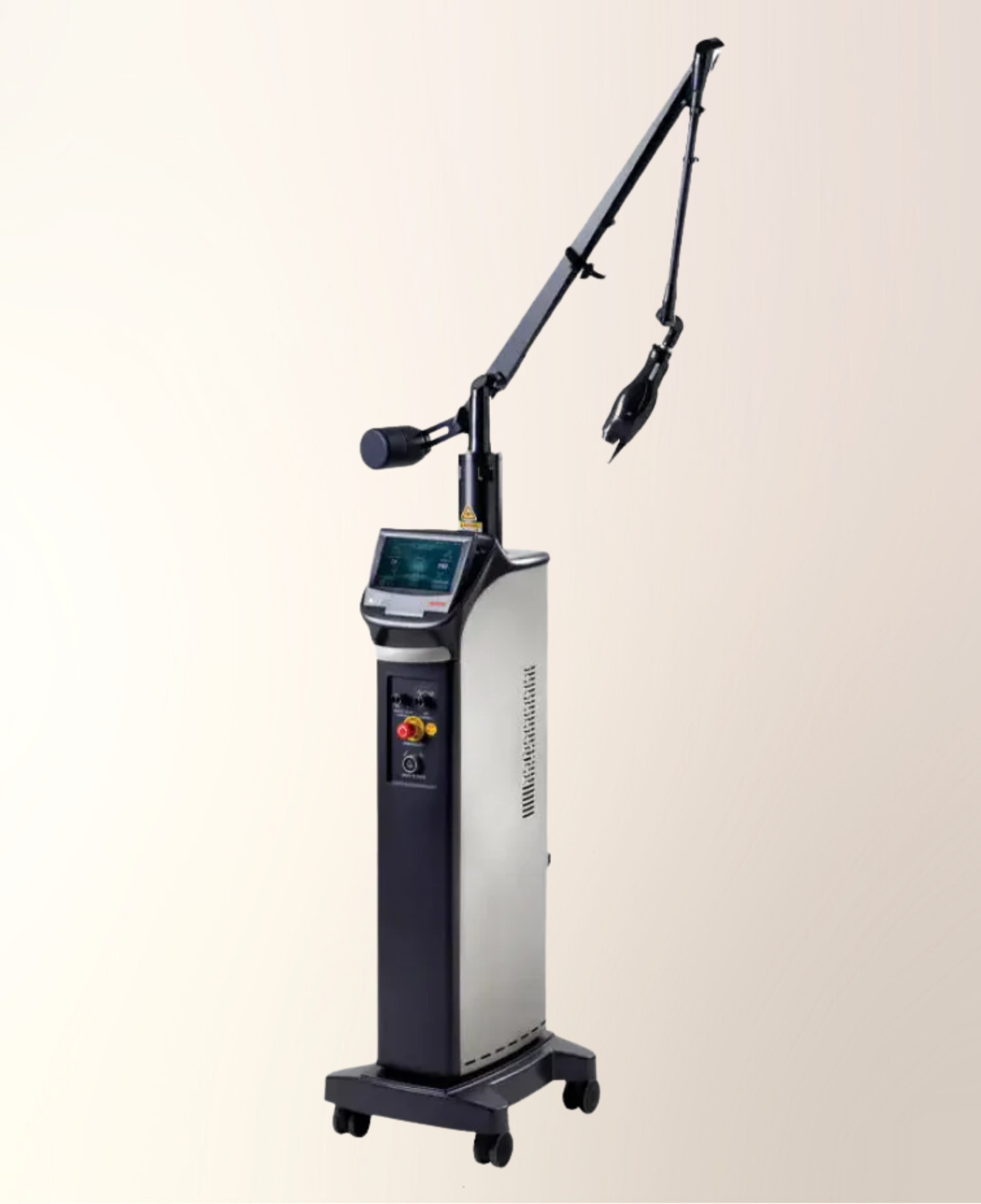
With CO2 laser removal, a CO2 laser used in surgical cut mode opens and vaporises each milium. As several spots can be addressed during one visit, milia seed removal with a laser may suit those with multiple milia. The same laser is also used for other small, benign growths, as in laser skin tag removal.

The number of sessions varies from person to person, depending on the number, size, and depth of the milia. The doctor will advise on a suitable plan at your assessment.

After treatment, our clinical team recommends the following to support your skin’s recovery:

  • Antibiotic ointment: Apply the ointment provided by the clinic 2 to 3 times a day for the first 7 days
  • Gentle care: Keep the area clean and moisturised
  • Sun protection: Limit sun exposure and apply broad-spectrum sunscreen daily
  • Time to settle: Let the treated site recover fully, without picking or exfoliating it

Following the procedure, the clinical team may also recommend customised treatment plans for milia-prone skin to help reduce the likelihood of recurrence over time.

Milia Removal Under the Eyes

Milia often appear on the eyelids and under the eyes, where the skin is thinner than elsewhere on the face. Rich or oily eye creams and concealers, along with rubbing the area when removing eye makeup, may also play a part.

Before treating this area, the doctor first tells milia apart from syringomas and xanthelasma, the bumps most often confused with milia here, as these call for a different approach. Milia are also distinct from dark eye circles, which have causes of their own and are assessed separately. The doctor may examine the area more closely before recommending treatment in a few situations:

  • On the eyelid rim: Milia on the edge of the eyelid or along the lash line
  • Within a raised, red patch: Many milia gathered on an inflamed area of skin, known as milia en plaque
  • Sudden onset: Many milia appearing over a short period

Where removal is suitable, milia near the eye are removed one at a time, either by extraction or with the CO2 laser, and the eye is protected throughout any laser treatment. While the treated spots recover, we recommend leaving eye cream and makeup off those areas until the small scabs have fallen away.

Tips to Prevent Milia Seeds

Preventing milia starts with maintaining a gentle and consistent skincare routine that supports healthy skin turnover and helps limit keratin buildup.

  • Exfoliate gently and regularly: Light exfoliation helps remove dead skin cells without irritating the skin, and mild exfoliants such as retinoids, mandelic acid, or alpha hydroxy acids (AHAs) may be incorporated as advised by a medical professional.
  • Use non-comedogenic products: Lightweight moisturisers and sunscreens that do not clog pores are a gentler choice, and it may help to keep heavy creams and ointments away from the eyes, where milia commonly form.
  • Protect your skin from the sun: Apply broad-spectrum sunscreen daily.
  • Cleanse with mild products: Choose cleansers that remove impurities without stripping the skin barrier.
  • Remove eye makeup gently: Take off eye makeup every night with a gentle remover, without rubbing.

Choosing a Clinic for Milia Seed Removal in Singapore

When deciding where to remove milia in Singapore, the following points may help you know what to look for:

  • Licensing: An MOH-licensed clinic where a doctor examines the bumps before anything is removed
  • Diagnosis before devices: Confirmation that the bumps are milia, and a clear explanation if any of them need further assessment before removal
  • A plan matched to the milia: Removal by extraction or laser using sterile instruments, chosen according to the number, size, and location of the milia
  • Care around the eyes: Eye protection in place for any laser treatment near the eyelids
  • Clear expectations: The number of milia, the likely sessions, and the total price explained before treatment

Frequently Asked Questions About Milia Seed Removal in Singapore

Some do. Milia in newborn babies are common and usually clear within a few weeks without treatment. In adults, milia may clear in a few weeks or persist for months or longer, which is why some people choose to have them removed by a doctor.

Laser removal is one of the methods doctors tend to use for milia. At TruGlow, milia seeds laser treatment using a CO2 ablative laser is carried out by a doctor, who assesses your suitability and explains possible side effects beforehand.

The procedure is generally mild and tolerable. For added comfort, the clinical team may apply a topical numbing cream before the laser treatment to help minimise discomfort.

Recovery after laser removal tends to follow a familiar pattern. Redness is expected for the first 1 to 2 days, followed by small scabs that typically fall off within 5 to 10 days, while mild pinkness can last 1 to 3 weeks. We recommend leaving the scabs to fall away on their own rather than picking them.

Milia seed removal is generally well tolerated, and most effects are temporary. Possible effects include redness, small scabs, and mild pinkness while the skin recovers and, less commonly, temporary changes in skin colour, particularly in darker skin tones. The doctor will go through these with you before treatment.

Further milia can form after removal, sometimes in the same area, as the skin continues to renew itself. Gentle exfoliation and proper skincare can help minimise recurrence.

No. Attempting to remove milia seeds at home may cause irritation, infection, or scarring. A doctor should remove them using sterile instruments.

Yes, but under medical guidance. Complementary options such as chemical peels or customised treatment plans may be advised to help maintain the skin’s texture after treatment. Where uneven skin tone is also a concern, the doctor may discuss pigmentation treatment in Singapore as part of the same plan.

Laser settings and treatment parameters can be adjusted to suit different skin tones. Your clinical team will assess suitability and explain how to reduce the risk of post-treatment pigmentation.

Our medical team

Meet our doctors

Get to know the doctors at TruGlow Medical Aesthetics. Our team values authentic beauty and takes a personalised approach, understanding your unique needs and goals.