
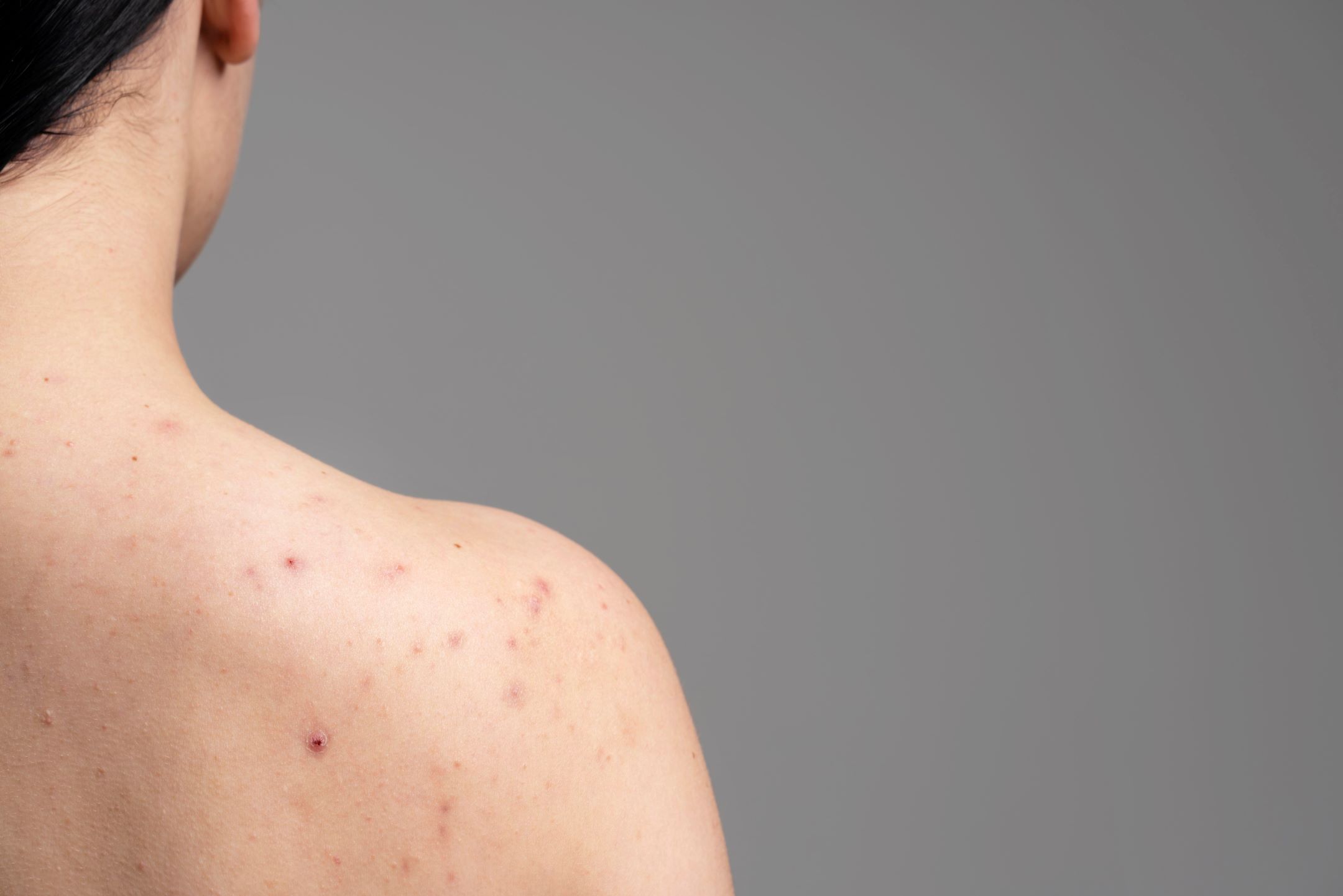
Back acne, often referred to as bacne, is a common form of acne vulgaris that affects the back, shoulders, and sometimes the chest. Back acne, also known as truncal acne, can be both physically uncomfortable and emotionally distressing. It may stem from clogged pores caused by excess sebum (oil), the buildup of dead skin cells, and the activity of Cutibacterium acnes, which may lead to inflammation.
In this article, we explore what causes back acne, management options, and approaches used in Singapore for active acne and acne-related marks.
Common Causes and Triggers of Back Acne
What causes back acne, especially in females? There is no concrete answer.
Back acne can arise from a combination of internal and external factors. While its underlying mechanisms are similar to those of facial acne, certain characteristics of the back, such as thicker skin and a higher concentration of oil glands, can make the area more prone to developing breakouts. The following are some causes and triggers discussed:
- Hormonal Changes: Fluctuations in hormones, such as during puberty, menstruation, or other physiological changes, can stimulate increased sebum production. Excess oil may block pores and contribute to bacne development.
- Friction and Sweat: Tight clothing, sports gear, gym backpacks, and prolonged sweating may irritate hair follicles. This combination of heat, moisture, and friction can aggravate acne on the body.
- Genetics: A family history of sensitive skin or acne may increase an individual’s likelihood of developing truncal acne.
- Lifestyle and Diet: Some studies suggest that high-glycaemic foods such as white bread, sugary drinks, and processed snacks, or dairy consumption may be associated with acne flare-ups in certain individuals. However, this does not affect everyone.
Management Options for Active Back Acne
Many people ask, “How to get rid of back acne?”. It is important to understand that while back acne can often be managed effectively, it may not always be completely eliminated, and flare-ups can recur depending on individual factors such as hormones, lifestyle, and skin type. Management typically involves a combination of daily habits, topical or oral medications, and, in some cases, procedural options to address both active acne and residual marks.
The following approaches outline commonly discussed methods for supporting clearer skin on the back. As responses vary from person to person, a consultation with a qualified medical professional can help determine which strategies may be appropriate for an individual’s specific condition.
Self-Care and Lifestyle Adjustments
Practical steps that may support back acne management include:
- Showering soon after exercise to reduce the buildup of sweat and oil.
- Wearing loose, breathable clothing that reduces friction during activity.
- Avoiding oily, thick skincare or hair products that may transfer to the back.
- Avoiding picking or squeezing acne lesions, which increases inflammation and the risk of scarring.
These practices may complement other back acne treatments but may not fully address moderate or severe acne on their own.
Pharmaceutical Treatments
These are typically discussed with a medical professional depending on the severity of symptoms. Commonly used topical medications include:
- Benzoyl Peroxide, which helps reduce bacterial activity and remove dead skin cells.
- Topical retinoids (such as Adapalene or Trifarotene), which have an effect on pores and reduce inflammation.
A doctor will determine suitability and outline the risks, benefits, and monitoring required.
Addressing Acne Marks and Scarring
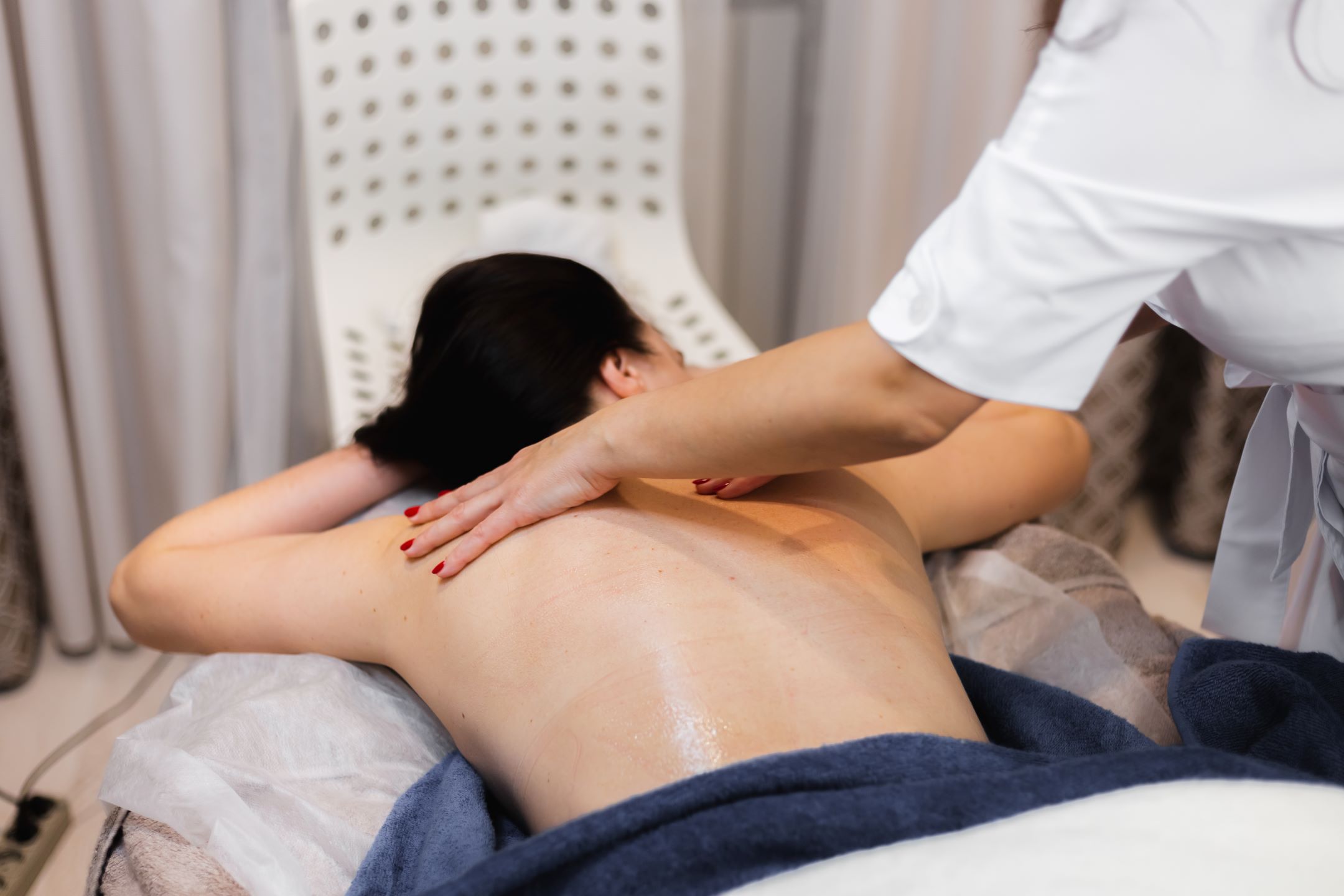
After active acne improves, individuals may notice dark marks or scars on the back. It is important to differentiate between:
- Post-inflammatory hyperpigmentation (PIH): dark spots that arise after inflammation.
- True acne scarring: indentations such as rolling, boxcar, or atrophic scars.
Depending on individual assessment, a medical professional may discuss options such as fusion laser systems for pigmentation or textural concerns. These multi-wavelength laser systems use ultra-short pulses that generate a photoacoustic effect to break down pigmentation and affect scar tissue structure. The energy may also stimulate collagen remodelling. The same technologies are sometimes used for dark spot skin treatment in Singapore, particularly for pigmentation and mild to moderate textural changes.
Important Considerations for Truncal Acne
While many people search for “how to get rid of back acne” or “back acne removal,” treatment suitability and effectiveness differ from person to person. Individuals seeking bacne treatment in Singapore should receive:
- A proper assessment by a medical professional to determine the type and severity of acne.
- Advice on appropriate treatment options, including medical therapies and procedural approaches.
- Clear expectations, as acne management typically requires several weeks to months before noticeable improvement.
- Guidance on temporary side effects, as treatments may cause redness, dryness, or sensitivity depending on the method used.
Back Acne Treatment Options
Back acne is a common skin concern that can develop for many different reasons, and there is no single solution that is guaranteed to work. Managing it often involves a combination of good skincare habits, suitable topical or oral medications, and, in some cases, aesthetic procedures to address marks or scarring. Because each person’s skin, lifestyle, and triggers are different, what works well for one individual may not work the same way for another.
Speaking with a qualified medical professional can help you understand the underlying factors contributing to your back acne and explore treatment options that are appropriate for your skin type and condition. Book an appointment with TruGlow Medical Aesthetics to explore your options.
