
Skin booster injections are a category of treatment designed to improve the quality of the skin from within, rather than to add structural volume or reshape facial features. Unlike dermal fillers, which are placed at deeper tissue levels to contour or augment specific areas, skin boosters are administered into the more superficial layers of the skin with the goal of improving hydration, firmness, texture, and overall resilience.
Not all skin boosters work in the same way. Some rely primarily on hydration and moisture retention, while others work by stimulating the skin’s own collagen production or replenishing structural components the skin loses with age. Understanding these differences helps in identifying which type of skin booster is more appropriate for a given concern.
What Do Skin Boosters Treat?
Skin boosters are generally suited to concerns related to skin quality rather than structural or volumetric change. They are broadly relevant for individuals experiencing early to moderate signs of ageing, including fine lines, loss of skin firmness and elasticity, uneven texture, dullness, enlarged pores, and skin dehydration.
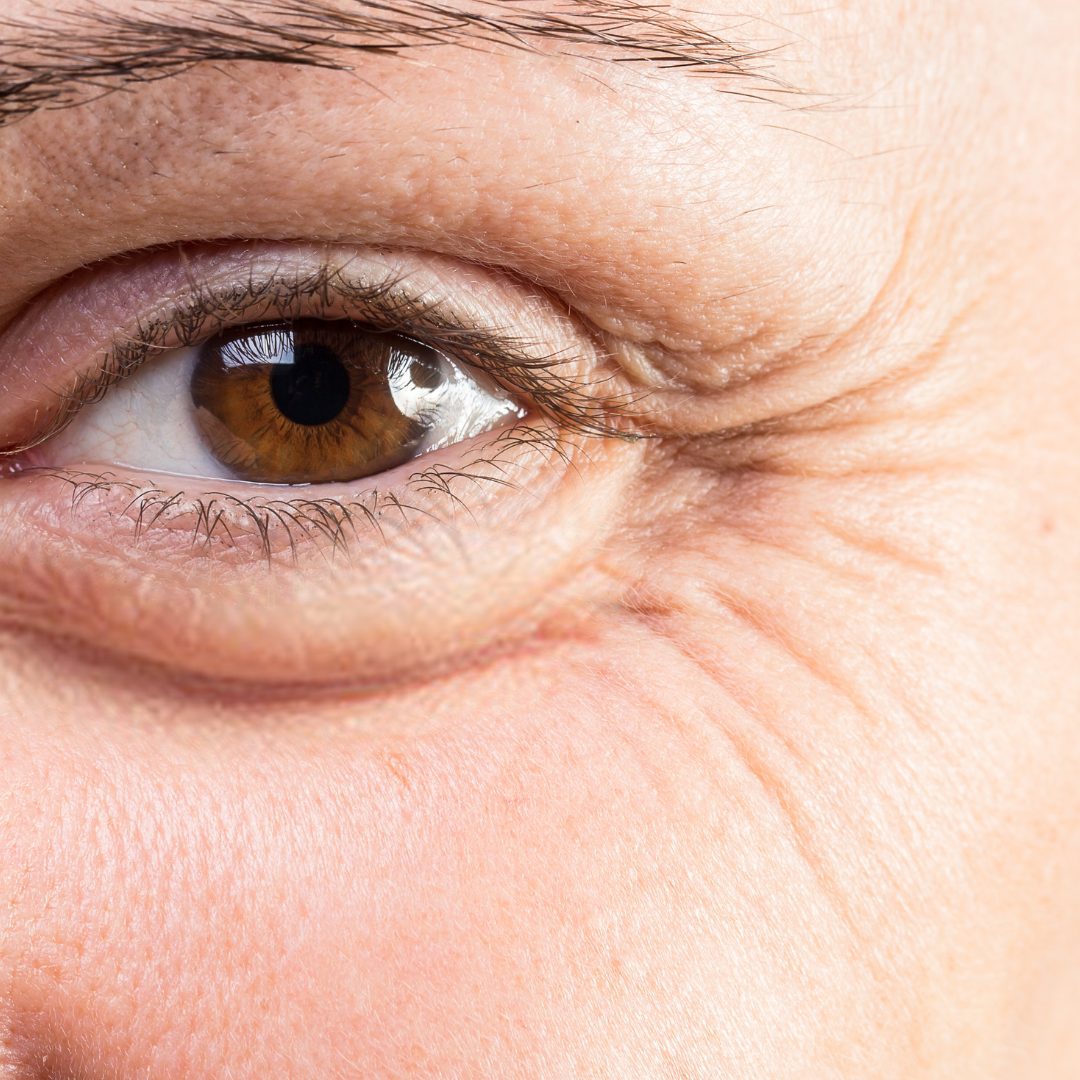
Fine Lines and Wrinkles
Fine lines and surface wrinkles driven by collagen loss, skin thinning, and reduced moisture retention are among the concerns most commonly addressed with skin booster treatment. By improving the skin’s structural density and hydration over time, skin boosters may reduce the appearance of fine lines progressively, rather than filling individual lines from underneath in the way a dermal filler would.
Skin Texture, Hydration, and Dullness
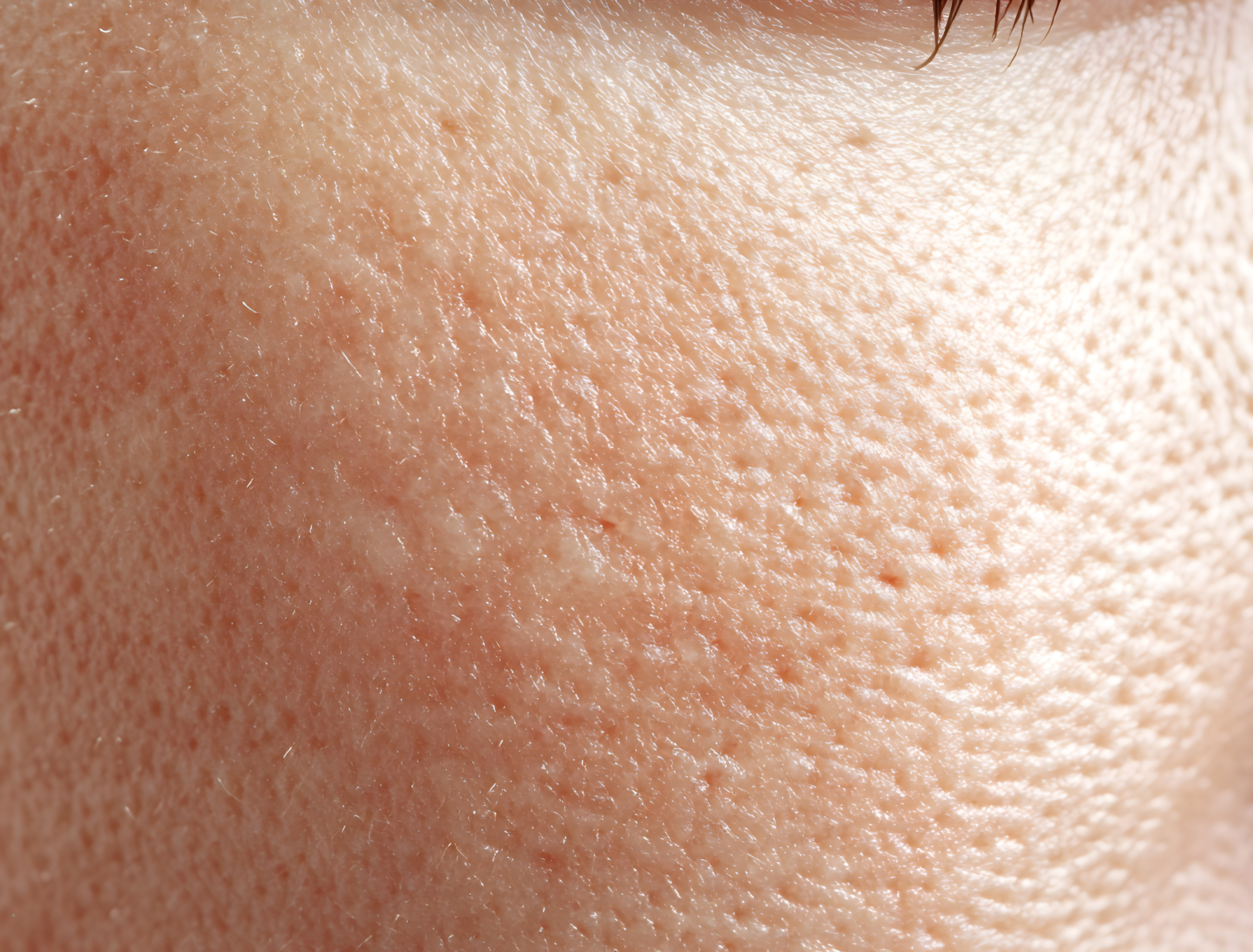
Skin boosters may also improve the appearance of enlarged pores, uneven texture, and dullness associated with dehydration and reduced skin turnover. The degree of improvement depends on the type of skin booster used, the number of sessions completed, and individual skin condition.
Can Skin Boosters Help With Acne Scars?
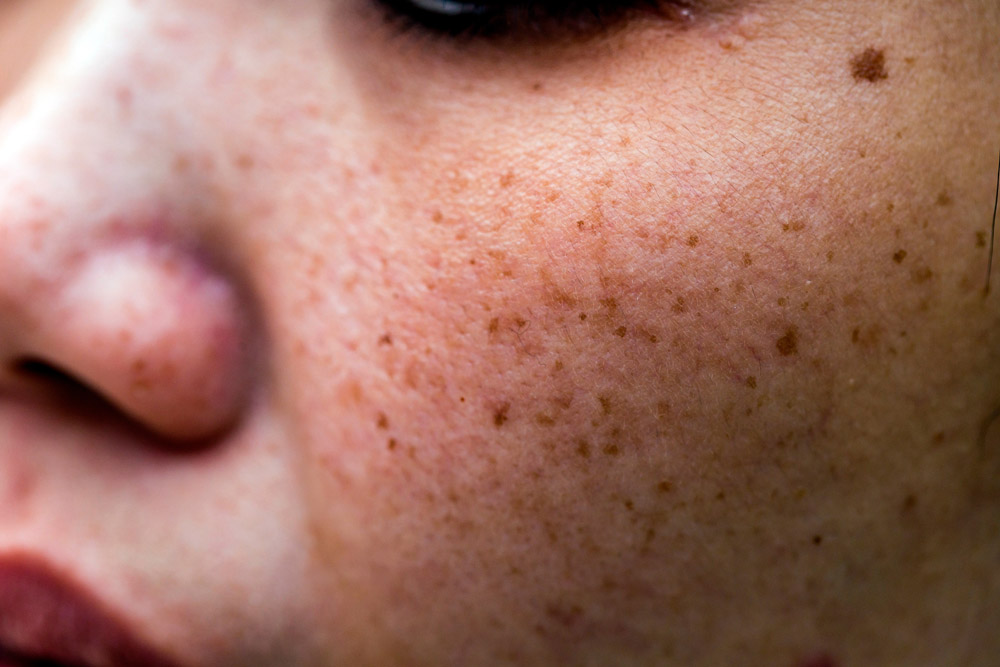
Several types of skin booster are used to support improvement in the appearance of acne scarring, particularly those that work by stimulating collagen production. Since many acne scars form as a result of collagen loss or disruption in the skin’s healing process, treatments that encourage the skin to rebuild collagen and structural support may help improve scar texture and skin evenness over time.
It’s worth noting that skin boosters are not a substitute for dedicated scar-revision treatments in cases of deep or severe acne scarring, and outcomes vary depending on scar type and depth. A proper assessment is needed to determine whether a skin booster alone is suitable, or whether it should be considered alongside other approaches.
The Different Types of Skin Booster
Skin boosters differ mainly in their mechanism of action — some prioritise immediate and sustained hydration, while others focus on stimulating or replenishing the skin’s own structural components. The following are the main types available.
PDLLA Skin Booster
The PDLLA skin booster combines hyaluronic acid with poly-D,L-lactic acid (PDLLA), a biocompatible and biodegradable synthetic polymer with an established history in medical applications. The hyaluronic acid component provides an immediate hydration and smoothing effect, while the PDLLA component works as a collagen biostimulator — activating the skin’s own fibroblasts to gradually produce new collagen.
As the PDLLA is broken down and absorbed by the body over time, the new collagen it has stimulated remains, which may lead to a progressive improvement in skin firmness, thickness, and resilience. Because the collagen renewal process is gradual, visible improvements and results from a PDLLA skin booster may take several weeks to develop progressively rather than appearing immediately, and this timeline is an important part of setting expectations before starting treatment.
This type of skin booster is commonly used for concerns including uneven skin texture, enlarged pores, atrophic acne scars, fine lines, dull or dehydrated skin, and mild neck laxity.
RE20 ECM Skin Booster
The RE20 ECM skin booster is a medical-grade formulation designed to replenish the skin’s extracellular matrix (ECM) — the structural network of collagen, elastin, and supporting molecules that gives skin its firmness and resilience. Rather than focusing primarily on hydration, this treatment works by directly supplying components that support fibroblast activity and matrix repair.
This distinguishes the ECM skin booster from conventional hyaluronic-acid-based boosters, which are largely limited to hydration. By addressing the structural components of the skin directly, an ECM skin booster is generally positioned for concerns involving loss of elasticity and structural resilience, in addition to hydration and texture.
Commonly addressed concerns include dehydration and dullness, loss of elasticity, uneven texture, enlarged pores, and early signs of ageing.
Salmon DNA / PDRN and Trout DNA / PDRN Skin Boosters
PDRN (polydeoxyribonucleotide) skin boosters use polynucleotides derived from fish DNA sources to support skin repair at a cellular level. Once introduced into the skin, these molecules are understood to support several regenerative processes: reducing localised inflammation, supporting collagen production, accelerating cellular repair, and reinforcing the skin’s structural framework.
TruGlow offers PDRN in two forms. The salmon-derived formulation, known as Salmon DNA Skin Booster, consists of polynucleotides derived from salmon DNA and is generally used across a broad range of concerns, including acne scars, dryness, enlarged pores, fine lines, uneven skin tone, and dull skin, typically administered over three to four sessions spaced around four weeks apart. Salmon DNA skin boosters help with skin repair, improved skin elasticity, and skin hydration. The trout-derived formulation contains polynucleotides derived from trout DNA, and helps with skin rejuvenation, skin laxity, deep hydration and tissue repair by stimulating collagen and elastin production.
The choice between the two generally comes down to whether the primary goal is overall skin repair, hydration and texture improvement with Salmon DNA Skin Booster, or stronger collagen and elastin stimulation for firmness and elasticity with Trout DNA Skin Booster. Both treatments have overlapping regenerative benefits, and suitability depends on the doctor’s assessment.
Long-Lasting Hyaluronic Acid Skin Booster
The Long-Lasting Hyaluronic Acid Skin Booster uses a modified form of hyaluronic acid administered in small microdroplets within the skin. The treatment is primarily designed to improve skin hydration, smoothness and overall skin quality, rather than significantly adding volume or restructuring facial contours.
Its stabilised formulation allows the hyaluronic acid to remain within the skin for a sustained period, with results that may last for up to approximately six months following optimal treatment. Individual results may vary.
This treatment may be suitable for concerns such as dry or dehydrated skin, rough or uneven skin texture, reduced radiance and the appearance of fine lines, and can be administered on areas beyond the face, including the neck, hands, and décolleté.
Which Skin Booster Is Right for You?
As with any injectable treatment, individual results may vary, and the extent of improvement depends on each person’s skin condition and response to treatment. Which option, or combination of options, is suitable depends on an individual assessment of skin condition, concerns, and goals, rather than a standardised protocol.
Each of these skin boosters may help to improve skin quality, but through different mechanisms, and each is generally better suited to certain concerns than others. As a general principle, the PDLLA, ECM, and PDRN skin boosters may be more appropriate where collagen loss, structural thinning, or acne scarring are the primary concerns, since each works by supporting the skin’s own structural components over time. The Long-Lasting Hyaluronic Acid Skin Booster may be better suited to individuals whose primary concern is hydration, dryness, or skin quality maintenance with fewer treatment sessions.
For some individuals, a combination of these treatments at different stages may be appropriate.
Skin Boosters at TruGlow
At TruGlow, the starting point for any skin booster recommendation is a thorough assessment of the individual’s skin condition, concerns, and goals. Whether the primary concern is fine lines, acne scarring, hydration, or overall skin quality, the treatment approach is based on what the assessment identifies rather than a default selection.
If you would like to understand which skin booster, or combination of skin boosters, may be appropriate for your concerns, you can book a consultation at TruGlow.
Frequently Asked Questions
Is a skin booster the same as a dermal filler?
No. Dermal fillers are placed at deeper tissue levels to add volume or reshape contours, while skin boosters are injected more superficially to improve skin quality, hydration, and texture. The two treatments address different concerns and are sometimes used together depending on individual needs.
What do skin boosters treat?
Skin boosters are generally used for concerns related to skin quality, including fine lines, dehydration, dullness, enlarged pores, uneven texture, loss of elasticity, and in some cases acne scarring. The specific concerns addressed depend on the type of skin booster used.
Can skin boosters help with acne scars?
Some skin boosters, particularly those that stimulate collagen production, may help improve the appearance of acne scarring over time by supporting the skin’s structural rebuilding process. Results vary depending on scar type and severity, and a proper assessment is needed to determine suitability.
How long do skin booster results last?
This varies by type. Collagen-stimulating skin boosters may produce progressive, longer-term changes in skin quality, while hydration-focused skin boosters generally require repeat sessions to maintain results, with effects from some formulations that may last up to around six months.
Is there downtime after a skin booster treatment?
Most skin boosters involve minimal downtime. Mild redness, swelling, or small bumps at injection sites are common immediately after treatment and generally resolve within a short period. A treating doctor can provide specific aftercare guidance based on the type of skin booster used.
