
Many people put enlarged pores down to oily skin or a cleansing routine that has slipped. Oil does play a part, but the reasons some pores look larger than others are usually more layered, involving how much sebum the skin produces, how well the tissue around each pore holds its shape, and the size of the follicle itself.
Enlarged pores are a common cosmetic concern. Because pores can return towards their earlier appearance once treatment stops, the goal is ongoing management rather than a one-off change, and that management is easier to plan once the underlying cause is understood. Read on as we cover what determines pore size, its common causes, the skincare habits that may influence it, and the in-clinic approaches that may help.
What Determines Pore Size
A pore is the visible opening of a pilosebaceous follicle, the small structure that houses a hair and the oil gland attached to it. Facial pores have been found to be more prominent on the nose and forehead than on the cheeks, though enlarged pores can appear on any of these areas.
The exact reason pores enlarge is still not fully understood, and it is generally regarded as multifactorial. Three factors are most consistently linked to it:
- Oil Production: Higher sebum output from the gland attached to the follicle
- Elasticity Around the Pore: A loss of firmness in the skin surrounding the opening
- Follicle Size: An increase in the volume of the hair follicle itself
Because more than one of these factors can be involved at the same time, an approach that suits one person’s skin may not suit another’s.
Common Causes of Enlarged Pores
Several inherited and everyday factors feed into these three mechanisms. Some can be influenced through skincare and lifestyle, while others are simply part of how your skin is built.
- Excess Sebum Production: The oil gland attached to each follicle produces sebum, which helps keep skin supple. When output runs high, sebum becomes one of the main factors linked to pore enlargement. Hormonal shifts can also influence how prominent pores appear.
- Collagen and Elastin Decline: Collagen is like the scaffolding that keeps skin firm, while elastin helps it stretch and spring back into shape. As part of the natural process of skin ageing, both decrease over time. The skin around each pore gradually loses some of its structural support, so pores that were once less visible can become more prominent.
- Genetics and Follicle Size: Genetics is recognised as one of the contributing factors behind enlarged pores, so some people are naturally more inclined towards visible pores than others.
- Sun Exposure: Cumulative sun exposure also contributes to pore enlargement. Ultraviolet rays break down collagen over time, adding to the gradual loss of support that comes with age, which is one reason consistent sun protection forms part of caring for skin prone to enlarged pores.
Skincare Habits That May Influence Pore Appearance
Day-to-day habits also play a part, as the products you use and the way you cleanse are both recognised as factors in pore enlargement. Products that do not suit your skin, or a routine that allows oil to build up through the day, may leave pores looking more congested and noticeable.
A consistent routine suited to your skin type, with gentle cleansing and non-comedogenic products (those formulated to avoid clogging pores), may help keep pores looking clearer. A routine like this supports how pores appear, though it does not change the structure of the pore itself.
In-Clinic Approaches That May Help
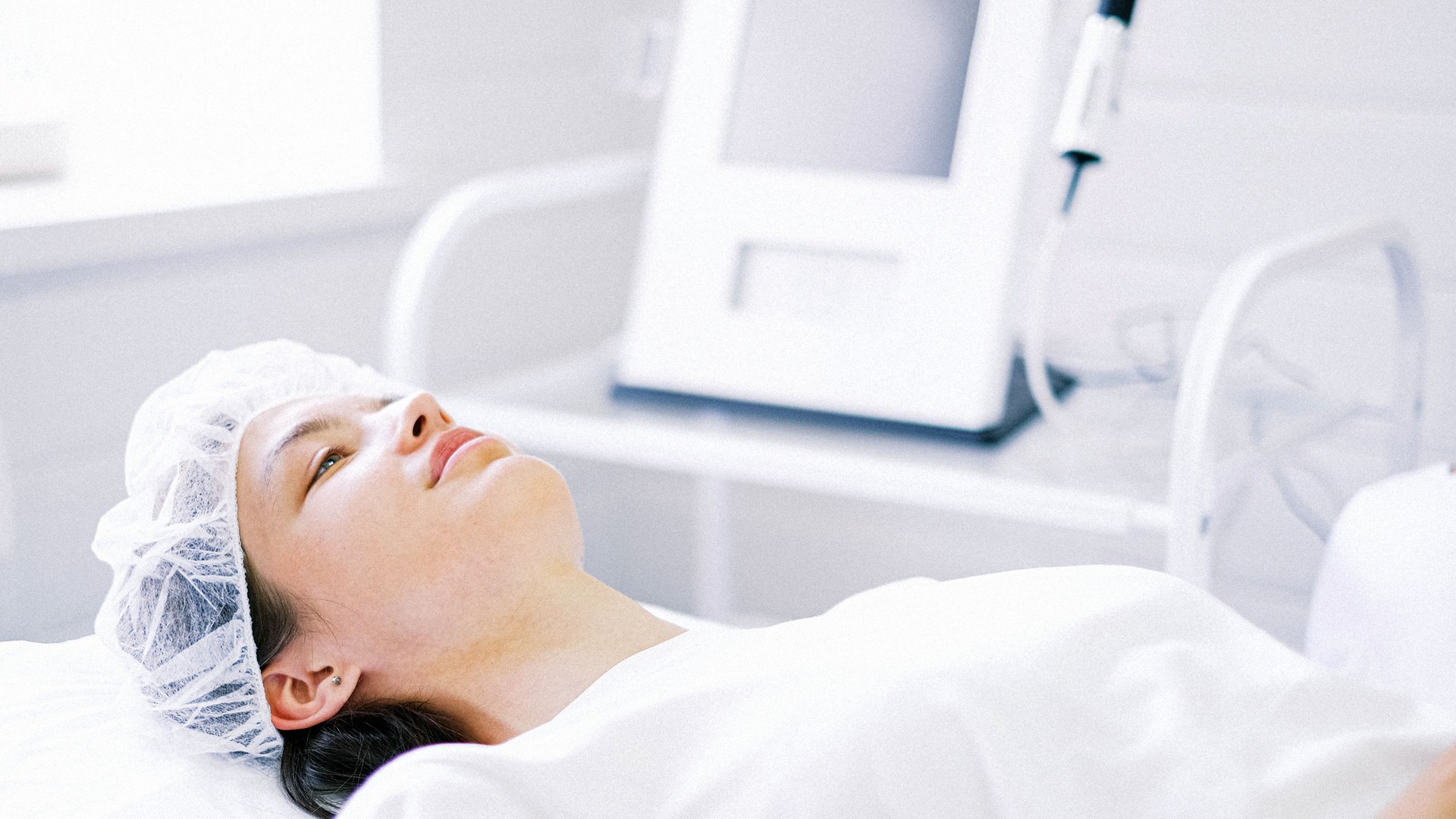
When considering how to reduce the look of enlarged pores, professional pore tightening treatment tends to work in one of a few ways: regulating sebum production, resurfacing the skin, or supporting elasticity in the tissue around the pore.
- Chemical Peels and Topical Actives: Chemical peels and topical retinoids work at the skin’s surface, helping to refine texture and, in some cases, regulate oil. They may be considered where excess sebum and surface congestion are a large part of the picture.
- Fractional Laser Resurfacing: Fractional laser treatment resurfaces the skin in a controlled way, aiming to refine texture and support the skin around the pores.
- Microneedling With PDLLA: Microneedling uses fine needles to create controlled micro-injuries in the skin, prompting the body’s natural collagen production. The tiny channels it creates also allow active ingredients to reach deeper layers. When paired with poly-D,L-lactic acid (PDLLA), a collagen-stimulating ingredient, the aim is to support firmness and elasticity around the pores over time.
Possible effects vary with the approach and the individual. Mild redness and swelling may follow microneedling with PDLLA, and these generally settle within 1 to 2 days. For darker skin types, some approaches, laser treatment among them, carry a higher risk of post-inflammatory hyperpigmentation, which is one reason our clinical team considers skin type when discussing options.
Managing Expectations: Pores Can Be Refined, Not Erased
Enlarged pores can be challenging to manage, and no single treatment has been established as the standard approach. Pores can also return towards their earlier appearance once treatment stops, so results are something to maintain rather than a one-off change.
What in-clinic approaches may do is help support the skin around pores and refine the surrounding texture, which affects how prominent pores look by contrast. How long any improvement lasts varies between individuals, and how often maintenance may be needed is still being studied.
Enlarged Pores at TruGlow
Because several factors can drive enlarged pores at once, combining approaches may help more than relying on a single treatment. At TruGlow Medical Aesthetics, Dr Stella Tay’s approach to skin quality begins by assessing each person’s pores to identify whether oil, structure, or both are the main factor. From there, any enlarged pores treatment can be planned around your skin type and concerns, drawing on options such as chemical peels, fractional laser resurfacing, microneedling with PDLLA, or fusion laser treatment, with approaches combined where that suits the skin.
If enlarged pores are a concern, a consultation with Dr Stella at TruGlow can help you understand what is driving them and which approaches may suit your skin.
