
Dark eye circles are among the most common aesthetic concerns, affecting people across a wide range of ages and skin types. They are often discussed as though they were a single issue, but dark eye circles are not a uniform condition. They can arise from several distinct causes, and the appearance of darkness under the eyes may reflect different underlying mechanisms depending on the individual. Understanding what type of dark eye circle is present is an important first step before considering any form of management.
The Main Types of Dark Eye Circles
Dark eye circles generally fall into three broad categories, based on what is driving the discolouration or shadowing. These types are not mutually exclusive, and many individuals may experience a combination of more than one.
Vascular Dark Eye Circles
Vascular dark eye circles result from increased visibility of blood vessels beneath the thin under-eye skin, or from vascular congestion in the area. The resulting discolouration typically appears bluish or purplish. Contributing factors include fatigue, poor sleep, nasal congestion, and a genetic predisposition to visible vascularity.
Pigmentary Dark Eye Circles
Pigmentary dark circles arise from an excess of melanin in the under-eye skin, producing a brown or greyish discolouration. This type is more commonly observed in individuals with darker skin tones. Contributing factors include chronic sun exposure, post-inflammatory hyperpigmentation, genetic predisposition, and habitual eye rubbing, which can stimulate melanin production over time. The same melanin-driven process underlies other forms of facial pigmentation, and readers managing broader concerns in this area may consider dark spot treatment in Singapore.
Structural and Volume-related Dark Eye Circles
As the face ages, fat loss and collagen depletion occurs in the under-eye and mid-face region as a part of the same skin ageing process that affects the rest of the face, and this can create a hollowed appearance underneath the eyes known as the tear trough. The shadow cast by this depression can create or worsen the appearance of darkness, even without true pigmentation or vascular changes. This type of undereye concern tends to become more pronounced with age, though it can also appear in younger adults with naturally deep tear troughs.
How Dark Eye Circles Are Assessed
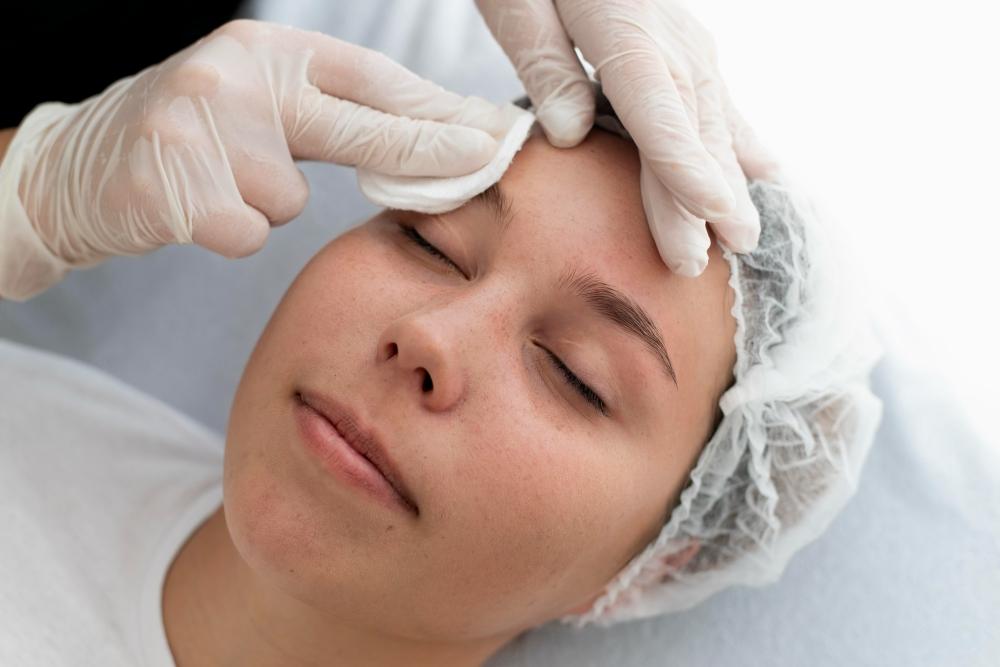
Because the underlying cause varies between individuals, a clinical assessment focuses on identifying the predominant type, or combination of types, present. A qualified doctor will typically evaluate skin tone and pigmentation, assess for hollowness or volume loss, observe vascular patterns, and consider age, lifestyle factors, and medical history before recommending any treatment approach. Self-diagnosis can be difficult, as presentations often overlap and lighting can distort how the area appears, which is why learning how to get rid of dark eye circles usually starts with a proper assessment.
Treatment Considerations By Type
When it comes to removing dark eye circles, the appropriate approach depends on the predominant cause identified during assessment.
- Vascular circles: Options may include treatments that support microcirculation or skin quality in the area, aesthetic treatments that remodel dermal collagen to firm up the skin barrier such as Microneedling RF or skin boosters such as Salmon DNA injectables that stimulate collagen and improve dermal thickness under the eyes, alongside lifestyle adjustments to manage contributing factors.
- Pigmentary circles: Management may involve lasers such as a fusion laser approach, targeted treatments addressing melanin production, alongside diligent sun protection, similar in principle to broader fine lines and wrinkles treatment elsewhere on the face.
- Structural or volume-related circles: Where hollowness is the primary driver, treatments addressing the structural deficit, such as skin boosters or appropriate skin-tightening options, may be considered to help reduce shadowing.
- Skin quality: Where thinning, fine lines, or laxity contribute to the appearance of dark eye circles, treatments aimed at supporting collagen and skin structure such as collagen injectables or collagen biostimulators in the under-eye area may be relevant.
Combination approaches are often recommended, and a doctor’s assessment should guide the order and selection of treatments.
Address Dark Eye Circles At TruGlow
At TruGlow Medical Aesthetics, addressing dark eye circles begins with understanding what is contributing to their appearance, whether that is vascular congestion, pigmentation, volume loss, or a combination of factors.
Dr Carmen Lee takes an assessment-first approach before recommending any treatment, so each plan is guided by the type of dark eye circles present and the individual’s underlying anatomy. If you are concerned about dark eye circles or wish to understand what may be driving their appearance, book a consultation to explore what options may be appropriate for you.

