Choosing Treatments For Sensitive Skin: A Balanced Approach
April 1, 2026
We often hear from friends, “I have sensitive skin” or “This is an example of sensitive skin.” But the truth is, not every rash, dry patch, wart or mole is an indicator of sensitive skin.
So what is sensitive skin? The Handbook of Cosmetic Science and Technology describes sensitive skin as skin that reacts more readily than usual to everyday products or environmental factors. However, it’s important to emphasise that “sensitive skin” is not a medical condition. It is a term used by the general public, normally referring to redness, stinging, dryness, or episodes of irritation on the skin, sometimes after use of personal care products.
This catch-all term can sometimes be used by laymen to describe underlying dermatological conditions such as eczema or rosacea, which are typically managed by medical professionals. Therefore, sensitive skin is best understood through individual medical assessments rather than general searching or asking friends.
Understanding Sensitive Skin
While there is no proven factor of what causes sensitive skin, it often reacts strongly because of a combination of biological, environmental, and lifestyle factors.
Common triggers cited anecdotally include sun exposure, wind, changes in humidity, fragrances, strong skin products, lifestyle stress, inadequate sleep, and chronic inflammatory skin conditions. Because these triggers differ among individuals, it is important to seek medical advice for personalised care that aims to minimise reactions and support long-term skin health.
Selecting Professional Treatments for Sensitive Skin
There is no one answer to the question, “how to treat sensitive skin on the face?” A medical professional may recommend individualised treatment based on an examination of sensitive skin. Professional assessment can help individuals understand which approaches may be suitable for their skin concerns.
For example, a medical professional can advise on:
Adjustments to treatment parameters where applicable
Adjustments to intervals or techniques depending on an individual’s skin response
Combinations of calming or hydrating therapies
Techniques that minimise irritation
The goal is always to select treatments based on individual needs rather than relying solely on device specifications. Management of sensitive skin may involve a range of medically supervised non-surgical options such as topical care and laser skin resurfacing treatments in Singapore, with each approach selected only after a professional evaluation of the individual’s skin condition and tolerance.
There are also medical procedures aiming to address dermatological skin concerns such as melasma or rosacea skin treatments.
Overview of Treatment Categories
Individuals with sensitive skin may wish to minimise irritation while still addressing their specific concerns safely and effectively. The following overview summarises options to support informed discussions with a licensed healthcare professional.
Examples of Treatments That May Be Recommended
Examples of Treatments That Individuals Should Be Cautious About
Gentle laser or light therapies used at low settings, depending on assessment
Aggressive lasers or high-intensity settings
Hydration-supporting injectable approaches found in dermatological literature
Deep chemical peels or strong resurfacing agents
Soothing clinical facials described in dermatology practice
Frequent use of strong acids or exfoliants
Combination plans adjusted by professionals
Any treatment performed without proper assessment
Professional judgment is always recommended before undergoing any treatment. Even suitable treatments, if performed incorrectly or too aggressively, may worsen sensitivity.
Skincare at Home for Sensitive Skin
A supportive daily routine can help maintain stability between professional treatments:
Use mild, fragrance-free cleansers formulated with minimal irritants.
Moisturise regularly to hydrate the skin.
Apply daily sunscreen, even on cloudy days, to reduce UV-triggered reactions.
Avoid common irritants such as alcohol-based toners, strong exfoliants, or heavily fragranced products.
Research indicates that products intended for sensitive skin should contain fewer ingredients, minimal irritants, and no common sensitising agents. Beyond skincare, adequate sleep, balanced nutrition, and stress management can support overall skin health.
How to Treat Sensitive Skin
While not every mole, skin tag or wart means sensitive skin, skin can indeed be more prone to redness, irritation or swelling. This sensitive skin is reactive and easily triggered, requiring a thoughtful, personalised approach to treatment. While options exist, their suitability depends on thorough assessment, careful calibration, and skilled technique. Daily skincare habits and observation of triggers can help individuals understand their skin over time.
It’s important to remember that flare-ups may still occur despite good routines, as triggers can be unpredictable. In clinical practice, doctor-led assessment helps guide personalised recommendations when it comes to sensitive skin treatments, taking into account medical history, skin type, and tolerance levels.
If you have concerns about persistent skin sensitivity, do contact us to book a consultation and our medical team would be happy to discuss any skin concerns you have.
Disclaimer
This blog has been reviewed by a doctor and is intended for general educational and informational purposes only. It is not a substitute for personalised medical advice. Before starting any new skincare regimen or aesthetic treatment, please consult a qualified healthcare professional or dermatologist, especially if you have pre-existing skin conditions. Individual results may vary, and treatments should always be tailored to each patient’s unique needs.
Dr Stella Tay
Medical Director
Dr. Stella Tay is a senior aesthetic physician at TruGlow Medical Aesthetics. She holds an MBBS from the University of Malaya and a Postgraduate Diploma in Family Medicine from the National University of Singapore. Her areas of interest include non-surgical anti-ageing, skin tightening, collagen biostimulators, and facial contouring. She is known for her precise, safety-focused approach and commitment to natural-looking results.
Dr. Stella Tay is a senior aesthetic physician known for her precision, clinical expertise, and commitment to natural- looking results. With a strong background in both general and aesthetic medicine, she brings a balanced, safety- focused approach to every treatment.
She holds a Bachelor of Medicine and Bachelor of Surgery (MBBS) from the University of Malaya and a Postgraduate Diploma in Family Medicine from the National University of Singapore. Her early clinical work in emergency medicine, dermatology, and minor surgical procedures provides a strong foundation for delivering safe and effective aesthetic treatments.
Dr. Stella specializes in non-surgical facial contouring and rejuvenation, including advanced injectable techniques and skin-tightening procedures. Her client-focused approach and attention to detail have earned the trust of working professionals, public figures, and individuals who value subtle yet impactful aesthetic improvements.
She is certified by the Aesthetic Dermatology Educational Group (ADEG) and the American Academy of Aesthetic Medicine (AAAM). Dr. Stella actively participates in international training and advanced courses to stay current with the latest aesthetic innovations.
At the clinic, Dr. Stella is known not only for her clinical skill but also for taking the time to understand each client’s goals, designing treatment plans that are both medically sound and aesthetically refined.
Professional Achievements
Bachelor of Medicine and Bachelor of Surgery (MBBS, UM, Malaysia)
Post Graduate Diploma in Family Medicine (GDFM, NUS)
American Academy of Aesthetic Medicine (AAAM)
Singapore COC-certified Aesthetic Physician by Aesthetic Dermatology Educational Group (ADEG)
Mini Visiting Fellowship (Hands-On) Korean Advanced Non-Surgical Face Lifting (IFAAS)
Advanced Course: Nose Filler, Ellansé, Restylane Filler, Sculptra (Singapore)
Memberships
Membership of Royal College of Emergency Medicine (MRCEM, UK)
Membership of Singapore Medical Association (SMA)
Membership of Singapore Aesthetic Medicine (SAM)
Dr. Stella Tay is a senior aesthetic physician known for her precision, clinical expertise, and commitment to natural- looking results. With a strong background in both general and aesthetic medicine, she brings a balanced, safety- focused approach to every treatment.
She holds a Bachelor of Medicine and Bachelor of Surgery (MBBS) from the University of Malaya and a Postgraduate Diploma in Family Medicine from the National University of Singapore. Her early clinical work in emergency medicine, dermatology, and minor surgical procedures provides a strong foundation for delivering safe and effective aesthetic treatments.
Dr. Stella specializes in non-surgical facial contouring and rejuvenation, including advanced injectable techniques and skin-tightening procedures. Her client-focused approach and attention to detail have earned the trust of working professionals, public figures, and individuals who value subtle yet impactful aesthetic improvements.
She is certified by the Aesthetic Dermatology Educational Group (ADEG) and the American Academy of Aesthetic Medicine (AAAM). Dr. Stella actively participates in international training and advanced courses to stay current with the latest aesthetic innovations.
At the clinic, Dr. Stella is known not only for her clinical skill but also for taking the time to understand each client’s goals, designing treatment plans that are both medically sound and aesthetically refined.
Professional Achievements
Bachelor of Medicine and Bachelor of Surgery (MBBS, UM, Malaysia)
Post Graduate Diploma in Family Medicine (GDFM, NUS)
American Academy of Aesthetic Medicine (AAAM)
Singapore COC-certified Aesthetic Physician by Aesthetic Dermatology Educational Group (ADEG)
Mini Visiting Fellowship (Hands-On) Korean Advanced Non-Surgical Face Lifting (IFAAS)
Advanced Course: Nose Filler, Ellansé, Restylane Filler, Sculptra (Singapore)
Memberships
Membership of Royal College of Emergency Medicine (MRCEM, UK)

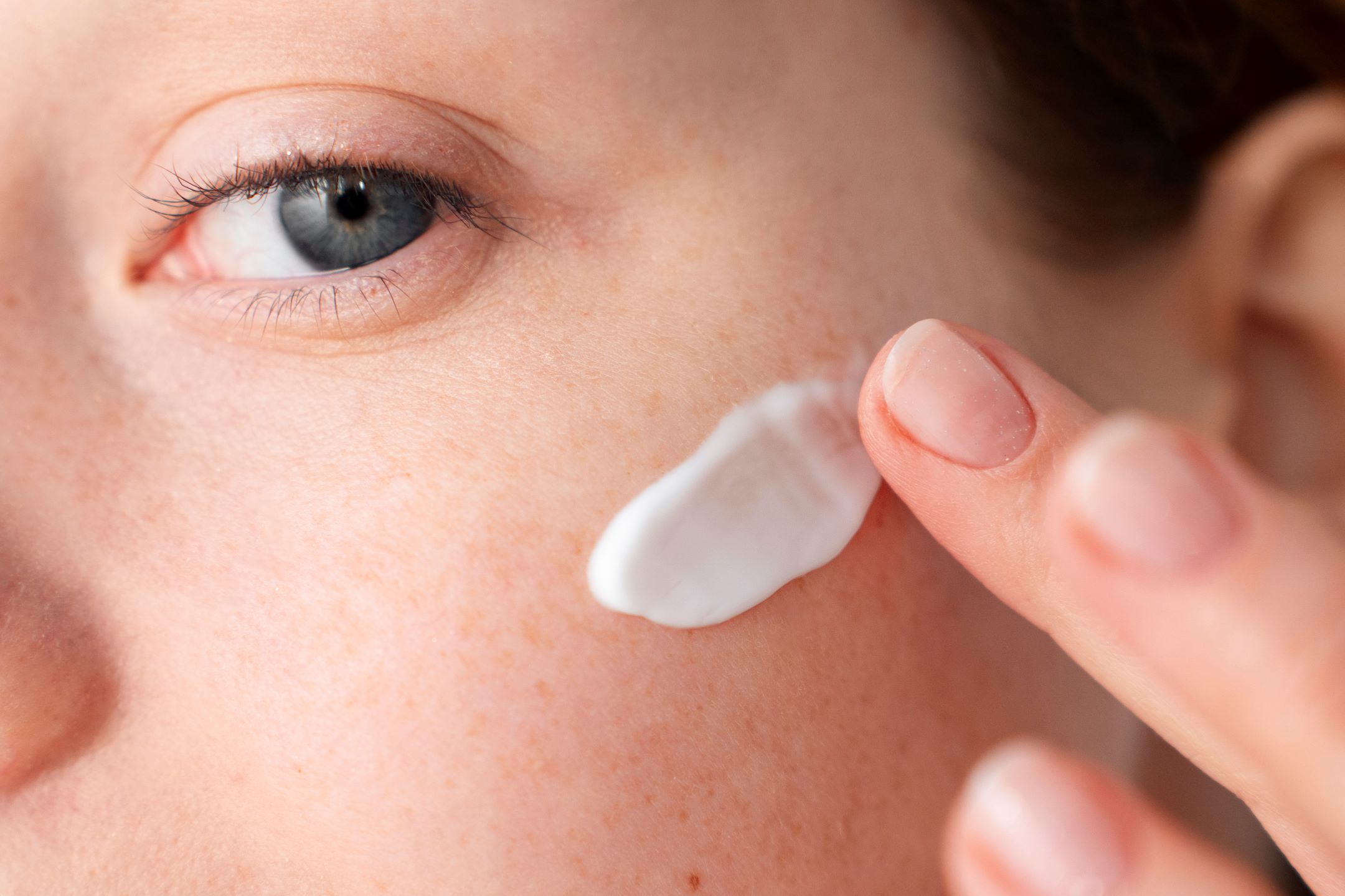 We often hear from friends, “I have sensitive skin” or “This is an example of sensitive skin.” But the truth is, not every rash, dry patch, wart or mole is an indicator of sensitive skin.
So what is sensitive skin? The Handbook of Cosmetic Science and Technology describes sensitive skin as skin that reacts more readily than usual to everyday products or environmental factors. However, it’s important to emphasise that “sensitive skin” is not a medical condition. It is a term used by the general public, normally referring to redness, stinging, dryness, or episodes of irritation on the skin, sometimes after use of personal care products.
This catch-all term can sometimes be used by laymen to describe underlying dermatological conditions such as eczema or rosacea, which are typically managed by medical professionals. Therefore, sensitive skin is best understood through individual medical assessments rather than general searching or asking friends.
We often hear from friends, “I have sensitive skin” or “This is an example of sensitive skin.” But the truth is, not every rash, dry patch, wart or mole is an indicator of sensitive skin.
So what is sensitive skin? The Handbook of Cosmetic Science and Technology describes sensitive skin as skin that reacts more readily than usual to everyday products or environmental factors. However, it’s important to emphasise that “sensitive skin” is not a medical condition. It is a term used by the general public, normally referring to redness, stinging, dryness, or episodes of irritation on the skin, sometimes after use of personal care products.
This catch-all term can sometimes be used by laymen to describe underlying dermatological conditions such as eczema or rosacea, which are typically managed by medical professionals. Therefore, sensitive skin is best understood through individual medical assessments rather than general searching or asking friends.
 A supportive daily routine can help maintain stability between professional treatments:

