Rosacea Treatment in Singapore

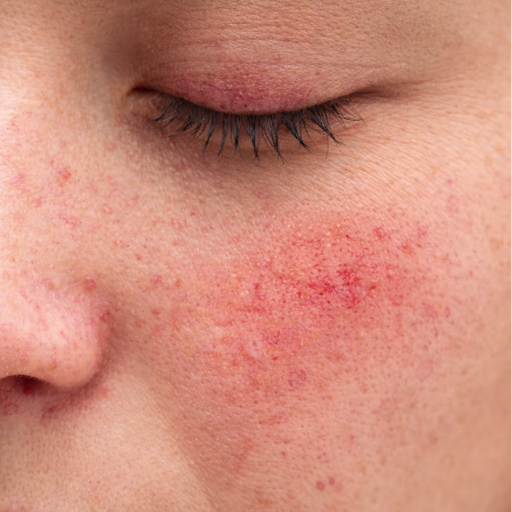
Rosacea is a chronic skin condition characterised by persistent facial redness, visible blood vessels, and acne-like bumps. It often appears on the cheeks, nose, forehead, and chin, and may flare up due to triggers such as heat, stress, or certain skincare products. While not harmful, its visible nature can affect comfort and confidence in daily life.

At TruGlow Aesthetics, our clinical team offers rosacea treatment in Singapore that focuses on calming inflammation and improving overall skin balance. Evidence-based options such as laser therapy and medical-grade skincare may be recommended to address redness, flushing, and visible vessels while supporting skin barrier health.

Through individualised assessment and safe, non-invasive care, we aim to help patients manage rosacea symptoms effectively over time.

Book a consultation today to learn more about our rosacea skin treatment in Singapore and discover a path toward clearer, calmer skin.
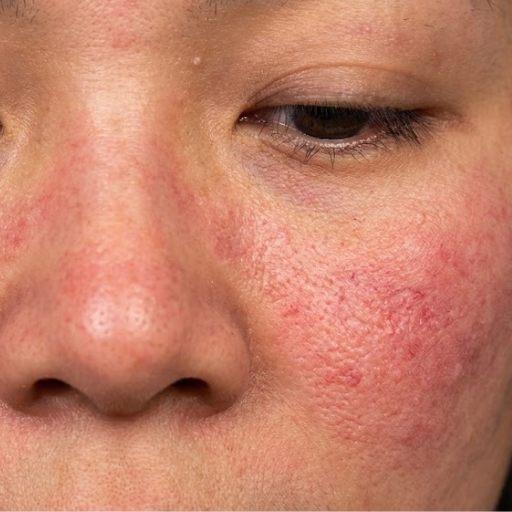
Table of Contents
woman with rosacea

What is Rosacea

Rosacea is a long-term inflammatory skin condition that primarily affects the central face. It occurs when small blood vessels in the skin dilate easily, leading to persistent redness, visible vessels, and sensitivity. In some cases, inflammation may also trigger acne-like bumps, thickened skin, or eye irritation.

The exact cause of rosacea is not fully understood, but research suggests it may involve a combination of genetic, vascular, and immune factors. Common triggers include heat, alcohol, stress, spicy foods, and harsh skincare products. Over time, repeated flushing and inflammation can make redness more visible and persistent.

Recognising the overlap among rosacea subtypes — erythematotelangiectatic, papulopustular, phymatous, and ocular — enables tailored medical interventions that address each individual’s presentation.

  • Erythematotelangiectatic rosacea (ETR): The most common form, also called vascular rosacea, involves persistent facial redness, frequent flushing, and visible small blood vessels.
  • Papulopustular rosacea: This type presents as acne-like bumps or pus-filled spots on the face but differs from acne because it lacks blackheads or whiteheads.
  • Phymatous rosacea: In this form, the skin — often around the nose — becomes thicker, uneven, and more textured due to tissue enlargement.
  • Ocular rosacea: This subtype affects the eyes and eyelids, causing redness, dryness, burning, or a gritty sensation. Some may also notice swelling or small bumps along the eyelid margins.

While rosacea cannot be permanently cured, medical management can help reduce flare-ups and improve skin comfort. Identifying triggers and seeking professional care are key steps toward maintaining clearer, calmer skin.

woman looking worried with hands touching her face and red patches on her forehead and cheeks

Common Signs and Symptoms of Rosacea

Rosacea can present differently from person to person, but typical features may include:

  • Frequent facial flushing or blushing, often with a warm sensation
  • Persistent redness on the cheeks, nose, forehead, or chin
  • Visible small blood vessels (telangiectasia) across the face
  • Acne-like red bumps or pus-filled pimples without blackheads
  • Thickening and bumpy skin, particularly on the nose (rhinophyma)
  • Burning, stinging, or itching sensations on affected skin
  • Dry, irritated, or swollen eyes and eyelids (ocular rosacea)
  • Crusts or scaling around eyelashes
  • Facial swelling or raised red patches (plaques)

In some cases, symptoms may extend to the neck, chest, scalp, or ears. If you experience several of these symptoms, a consultation with a qualified doctor can help confirm whether it is rosacea or another skin condition. Early evaluation allows for tailored management to prevent worsening redness or discomfort over time.

Woman with red cheeks

What Common Factors Cause Rosacea?

Rosacea often develops from a combination of genetic, environmental, and vascular factors. While the exact cause is complex, several triggers can worsen redness or flare-ups:

  • Emotional stress and frequent flushing
  • Hot beverages, spicy foods, or alcohol consumption
  • Extreme temperatures such as heat, humidity, or cold weather
  • Prolonged sun exposure and ultraviolet (UV) radiation
  • Irritating skincare products used on sensitive skin
  • Bacterial presence such as Helicobacter pylori infection
  • Overgrowth of Demodex mites on the skin
  • Immune system irregularities that increase inflammation
  • Genetic predisposition or family history of rosacea
  • Impaired skin barrier leading to dryness and irritation
  • Certain medications that dilate blood vessels

How is Rosacea Diagnosed?

Because rosacea can appear differently across individuals, diagnosis requires a detailed and personalised assessment. At TruGlow Aesthetics, our clinical team takes time to understand both visible symptoms and potential underlying factors before confirming a diagnosis.

  1. Comprehensive skin examination
    The process begins with a close visual evaluation of the skin and, when necessary, the eyes and eyelids. This allows the clinical team to identify redness patterns, visible vessels, bumps, or other changes that suggest rosacea.
  2. Detailed medical history
    You’ll be asked about your symptoms, skincare habits, medical background, and possible triggers such as stress, diet, or temperature changes. These insights help determine whether flare-ups follow certain patterns or external factors.

Rosacea Treatment Options in Singapore

At TruGlow Aesthetics, our medical team provides a range of evidence-based options to help manage facial redness, visible blood vessels, and sensitivity associated with rosacea. Each plan is tailored to the patient’s skin condition, triggers, and subtype to ensure safe, effective, and lasting results.

Laser and Light-Based Therapies

Laser treatment is an important component of advanced rosacea care solutions for visible blood vessels. Fusion Laser is often recommended to help calm redness and visible vessels by delivering controlled energy to targeted facial areas. This non-invasive treatment can also support collagen renewal, refine texture, and enhance skin clarity over time.

For individuals with sensitive or reactive skin, Rejuran may be advised as a complementary therapy. Containing polynucleotides that promote skin repair and hydration, it can help to strengthen the skin barrier, reduce inflammation, and restore balance following rosacea flare-ups.

Together, these medically guided options aim to improve overall skin tone and resilience while minimising redness and discomfort.

Medical-Grade Skincare and Topical Therapies

Our medical team may also recommend prescription or clinic-formulated skincare to reduce inflammation, soothe irritation, and strengthen the skin barrier. Ingredients that calm redness and protect against environmental stressors can help maintain results between clinical sessions.

Lifestyle and Trigger Management

Because rosacea is a chronic condition, ongoing care extends beyond procedures. Identifying triggers such as heat, stress, or alcohol plays a crucial role in minimising flare-ups. The medical team may also provide guidance on sun protection and daily skincare routines for sensitive skin.

In addition to treatments, consistent monitoring helps assess skin response and adjust care as needed. Regular reviews allow for timely intervention if your symptoms change or worsen, ensuring a comprehensive approach to rosacea management in Singapore.

Tips to Prevent Rosacea Flare-Ups

Managing rosacea extends beyond clinical care — small daily habits can help reduce redness and sensitivity while maintaining overall skin balance.

  • Choose gentle skincare formulated for sensitive skin. Avoid products with alcohol, fragrance, or harsh exfoliants that can irritate the skin.
  • Cleanse with lukewarm water and pat dry with a soft towel instead of rubbing.
  • Apply broad-spectrum sunscreen (SPF 30 or higher) daily, and reapply regularly when outdoors.
  • Protect against the sun and weather by wearing wide-brimmed hats, using scarves in cold or windy conditions, and seeking shade during peak hours.
  • Manage stress through relaxation techniques, regular exercise, or meditation.
  • Avoid overheating — dress in layers, stay in cool environments, and use a cool compress when needed.
  • Limit hot drinks, spicy foods, and alcohol, especially red wine, which may trigger flushing.
  • Identify personal triggers such as specific foods, temperature changes, or skincare products, and avoid them when possible.
  • Use non-irritating makeup, such as green-tinted concealers, to help neutralise redness.
  • Maintain a balanced diet rich in anti-inflammatory foods and stay hydrated.

Frequently Asked Questions About for Rosacea Skin Treatment in Singapore

No. Rosacea is not caused by an infection and cannot be passed from one person to another through skin contact.

Rosacea is a chronic condition, meaning it can persist over time. While it cannot be permanently cured, ongoing care through long-term rosacea management programmes with proven results can help control symptoms and reduce flare-ups. These programmes combine medical treatments, tailored skincare, and lifestyle adjustments to maintain calmer, healthier-looking skin.

Treatment depends on the type and severity of rosacea. Options may include laser therapies such as the Fusion Laser, topical or oral medications, and skin-repairing treatments like Rejuran, prescribed according to individual needs after medical assessment.

A dermatologist can evaluate your symptoms and perform tests if necessary to confirm the diagnosis and rule out other skin conditions such as acne, eczema, or lupus.

Dermatologists may prescribe anti-inflammatory or vasoconstrictive creams to reduce redness and irritation. These must be used under medical supervision to ensure safety and effectiveness.

In some cases, the clinical team may prescribe oral or topical antibiotics to reduce inflammation associated with acne-like bumps. These may be used alongside non-invasive rosacea treatment options for acne-like bumps, such as laser therapy or topical medical care, to improve redness and skin comfort under professional supervision.

Laser and light-based therapies can help target facial redness and visible blood vessels in individuals with rosacea. At TruGlow Aesthetics, options such as the Fusion Laser are used under medical guidance to minimise redness safely.

Side effects depend on the specific treatment used. For example, laser or light-based procedures may cause temporary redness, mild swelling, or warmth at the treated area, while topical or injectable therapies may result in slight tenderness. These effects are generally short-lived and improve as the skin recovers. Your doctor will explain potential reactions and aftercare measures before beginning the rosacea treatment.

Some treatments for rosacea may not be suitable during pregnancy. Always consult your doctor to determine safe options based on your stage and medical history.

Results vary by treatment type and skin response. Many individuals notice gradual improvement over several sessions as inflammation and redness subside.

Identifying and avoiding personal triggers such as heat, stress, or alcohol can significantly reduce flare-ups. Gentle skincare, sun protection, and stress management also play key roles.

Yes. Use mild, fragrance-free cleansers and moisturisers for sensitive skin. Try to avoid scrubs or products containing alcohol or acids unless advised by the medical team.

Most rosacea treatment in Singapore is considered cosmetic and is typically not covered by insurance. Treatment prices vary depending on the method used, the number of sessions required, and the severity of symptoms. It is best to consult your clinic or medical team directly and confirm any coverage details with your insurance company.

Common triggers include sunlight, stress, alcohol, and temperature changes. Avoiding known triggers and maintaining consistent skincare can help reduce recurrence.

When managed under medical supervision, risks are minimal. Regular follow-ups help ensure that treatments remain suitable and effective for your skin.

Follow-up intervals vary by individual. Typically, reviews are scheduled every few weeks or months to monitor progress and adjust the treatment plan if needed.

Our Medical Team

Dr Carmen Lee

Resident Doctor

MB BCh BAO (Royal College of Surgeons in Ireland)

Dr Carmen Lee has a special interest in non-surgical anti-ageing and body contouring. Trained internationally in advanced injectables, thread lifting, and lasers, she brings both precision and compassion to her patients. Fluent in English, Mandarin, Malay, and Cantonese, she ensures consultations are clear and personalised.

Dr Chew Kuok Ming​

Resident Doctor

MBBS (National University of Singapore), Diploma in Family Medicine, Diploma in Family Practice Dermatology (Singapore)

With over 20 years of experience, Dr Chew Kuok Ming blends medical expertise with a holistic approach to aesthetics. He is trained in Botox, fillers, IPL, and laser therapies, and is known for his patient-centred approach and commitment to natural-looking outcomes.

Dr. Stella Tay

Resident Doctor

MBBS (University of Malaya), Postgraduate Diploma in Family Medicine (National University of Singapore)

Dr Stella Tay is recognised for her skill in non-surgical facial contouring and rejuvenation. Certified by ADEG and AAAM, she specialises in injectables and skin-tightening procedures. Her patient-first approach and focus on natural results have earned her the trust of many professionals and public figures.

Dr. Stella Tay

Resident Doctor

Dr. Stella Tay is a senior aesthetic physician known for her precision, clinical expertise, and commitment to natural- looking results. With a strong background in both general and aesthetic medicine, she brings a balanced, safety- focused approach to every treatment.

She holds a Bachelor of Medicine and Bachelor of Surgery (MBBS) from the University of Malaya and a Postgraduate Diploma in Family Medicine from the National University of Singapore. Her early clinical work in emergency medicine, dermatology, and minor surgical procedures provides a strong foundation for delivering safe and effective aesthetic treatments.

Dr. Stella specializes in non-surgical facial contouring and rejuvenation, including advanced injectable techniques and skin-tightening procedures. Her client-focused approach and attention to detail have earned the trust of working professionals, public figures, and individuals who value subtle yet impactful aesthetic improvements.

She is certified by the Aesthetic Dermatology Educational Group (ADEG) and the American Academy of Aesthetic Medicine (AAAM). Dr. Stella actively participates in international training and advanced courses to stay current with the latest aesthetic innovations.

At the clinic, Dr. Stella is known not only for her clinical skill but also for taking the time to understand each client’s goals, designing treatment plans that are both medically sound and aesthetically refined.

  • Professional Achievements
    • Bachelor of Medicine and Bachelor of Surgery (MBBS, UM, Malaysia)
    • Post Graduate Diploma in Family Medicine (GDFM, NUS)
    • American Academy of Aesthetic Medicine (AAAM)
    • Singapore COC-certified Aesthetic Physician by Aesthetic Dermatology Educational Group (ADEG)
    • Mini Visiting Fellowship (Hands-On) Korean Advanced Non-Surgical Face Lifting (IFAAS)
    • Advanced Course: Nose Filler, Ellansé, Restylane Filler, Sculptra (Singapore)
  • Memberships
    • Membership of Royal College of Emergency Medicine (MRCEM, UK)
    • Membership of Singapore Medical Association (SMA)
    • Membership of Singapore Aesthetic Medicine (SAM)
Dr. Stella Tay is a senior aesthetic physician known for her precision, clinical expertise, and commitment to natural- looking results. With a strong background in both general and aesthetic medicine, she brings a balanced, safety- focused approach to every treatment. She holds a Bachelor of Medicine and Bachelor of Surgery (MBBS) from the University of Malaya and a Postgraduate Diploma in Family Medicine from the National University of Singapore. Her early clinical work in emergency medicine, dermatology, and minor surgical procedures provides a strong foundation for delivering safe and effective aesthetic treatments. Dr. Stella specializes in non-surgical facial contouring and rejuvenation, including advanced injectable techniques and skin-tightening procedures. Her client-focused approach and attention to detail have earned the trust of working professionals, public figures, and individuals who value subtle yet impactful aesthetic improvements. She is certified by the Aesthetic Dermatology Educational Group (ADEG) and the American Academy of Aesthetic Medicine (AAAM). Dr. Stella actively participates in international training and advanced courses to stay current with the latest aesthetic innovations. At the clinic, Dr. Stella is known not only for her clinical skill but also for taking the time to understand each client’s goals, designing treatment plans that are both medically sound and aesthetically refined.
  • Professional Achievements
    • Bachelor of Medicine and Bachelor of Surgery (MBBS, UM, Malaysia)
    • Post Graduate Diploma in Family Medicine (GDFM, NUS)
    • American Academy of Aesthetic Medicine (AAAM)
    • Singapore COC-certified Aesthetic Physician by Aesthetic Dermatology Educational Group (ADEG)
    • Mini Visiting Fellowship (Hands-On) Korean Advanced Non-Surgical Face Lifting (IFAAS)
    • Advanced Course: Nose Filler, Ellansé, Restylane Filler, Sculptra (Singapore)
  • Memberships
    • Membership of Royal College of Emergency Medicine (MRCEM, UK)
    • Membership of Singapore Medical Association (SMA)
    • Membership of Singapore Aesthetic Medicine (SAM)