Postpartum Fat Reduction Singapore

Pregnancy leads to significant physical changes, including the natural accumulation of fat around the abdomen, hips, thighs, and other areas. After childbirth, these fat reserves may remain, and women may experience stubborn belly fat that does not respond easily to diet or exercise alone. This is commonly referred to as post-pregnancy fat or postpartum fat.

In Singapore, postpartum fat reduction may be addressed through fat-freezing sessions for postpartum fat removal, ultrasound-based skin tightening, or combination approaches that target specific body areas. When conducted by a medical team, these non-surgical post-baby treatments can help manage post-pregnancy fat.

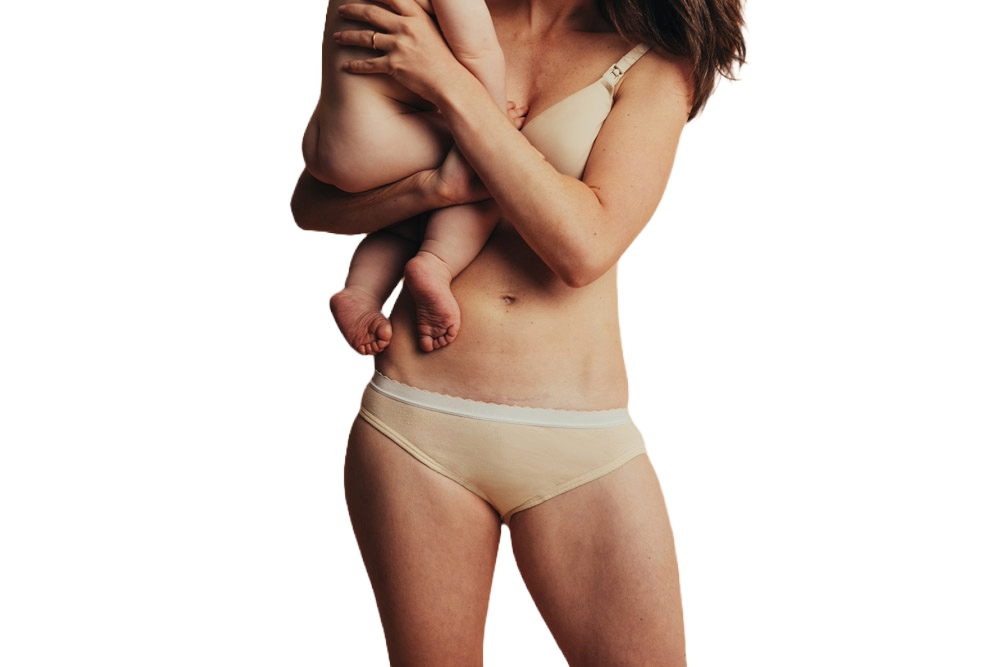
Table of Contents

What is Pregnancy Fat?

Pregnancy fat refers to the increase in maternal adipose tissue (fat stores) during pregnancy. These fat reserves support the growing baby, provide energy for childbirth, and sustain breastfeeding in the postpartum phase. During pregnancy, fat often accumulates around the abdomen, hips, thighs, and arms.

While some maternal fat gain is an expected and healthy part of pregnancy, stubborn fat after childbirth has been associated with long-term changes to maternal body composition and increased health risks, leading some mothers to seek postpartum belly fat reduction.

How is Postpartum Fat Formed?

After childbirth, hormones shift, and the pregnancy leaves behind stretched and weakened abdominal muscles which affect fat retention. This condition, known as diastasis recti, can make fat deposits and abdominal bulges more resistant to exercise. Reduced circulation in certain areas after pregnancy can also slow fat loss.

Potentially, these physiological changes create fat that may be more resistant to management than normal fat gained outside of pregnancy.

The Difference Between Post-Pregnancy Fat and Normal Fat

After childbirth, women may notice that losing post-pregnancy fat feels much more challenging than shedding regular body fat. While both types of fat are formed through the storage of excess energy, post-pregnancy fat behaves differently due to hormonal fluctuations, muscle changes, and metabolic shifts that occur during and after pregnancy.

Post-Pregnancy Fat Normal Fat
Concentrated around the lower abdomen, hips, thighs, and lower back More evenly distributed across the body depending on genetics, diet, and lifestyle
Strongly influenced by pregnancy hormones which affect fat storage and water retention Influenced by general hormonal balance, stress levels, and metabolic rate
Abdominal muscles may separate (diastasis recti) and weaken Muscle tone and structure are generally stable
Often more resistant due to lingering hormonal imbalances, reduced muscle tone, and fatigue affecting workout consistency Usually responds more readily to calorie control and regular physical activity
Body image concerns, fatigue, and stress from motherhood can influence motivation and self-perception Less affected by emotional or lifestyle disruptions
Woman measuring her waist with a tape measure

How Do Dermatologists Diagnose Pregnancy Fat

Diagnosis of pregnancy fat involves a careful clinical assessment, beginning with a discussion of medical and pregnancy history, lifestyle factors, hormonal changes, and any challenges with post-pregnancy weight loss or body contouring.

During examination, our clinical team may evaluate:

  • Fat distribution patterns across common areas such as the abdomen, hips, thighs, and upper arms.
  • Skin elasticity and firmness, especially in areas affected by stretching during pregnancy.
  • Muscle condition, including signs of abdominal muscle separation (diastasis recti).
  • Localised swelling or fluid retention that may contribute to puffiness or uneven texture.

Non-invasive diagnostic tools, such as body composition analysis or ultrasound-based fat and tissue scanning, may also be used. These allow our clinical team to assess fat layer depth, muscle tone, and skin quality.

Based on these findings, our medical team may recommend non-surgical treatment options using devices like Clatuu Fat Freezing for targeted fat reduction and Ultraformer MPT for skin tightening and collagen stimulation.

Treatment Options for Post-Pregnancy Belly Fat Reduction

At TruGlow Aesthetics, our medical aesthetic procedures for minimising enlarged pores employ evidence-based methods tailored to your skin’s needs.

Clatuu Fat Freezing

At TruGlow Aesthetics, Clatuu Fat Freezing uses cryolipolysis to selectively freeze and break down fat cells in targeted areas. It may help manage postpartum belly fat, as well as stubborn pockets on the thighs, arms, or love handles that often remain after pregnancy. The body naturally processes and eliminates the frozen fat cells for a more contoured silhouette without surgery.

Potential side effects may include temporary redness, mild swelling, or slight peeling, which usually settle with minimum intervention required. Individuals are advised to stay hydrated and maintain a balanced lifestyle, and the clinical team may recommend follow-up treatments as needed.

Ultraformer MPT

Ultraformer MPT (Micro Pulse Technology) uses advanced HIFU (High-Intensity Focused Ultrasound) to help manage stubborn fat deposits. For postpartum mothers, this skin tightening treatment may help address loose abdominal skin, sagging around the midsection, or weakened jawline definition, helping with firmness and contour.

Side effects are generally mild and temporary, such as slight redness or mild swelling, and typically resolve without medical intervention. Most individuals return to daily routines with a minimum recovery period. Results may last for some time, however, multiple sessions may be advised by the medical team.

Pregnancy Fat Treatment Procedure

Each session at TruGlow follows a structured, medically guided process designed to ensure optimal comfort throughout treatment.

The journey begins with a comprehensive consultation. Our clinical team will review your medical history, assess areas of concern, and determine the most suitable treatment approach based on your post-pregnancy body profile. This includes identifying the type and distribution of fat, such as stubborn subcutaneous fat around the abdomen, hips, or thighs, and evaluating skin elasticity. Pre-treatment preparation may involve maintaining good hydration and avoiding medications or supplements as advised by the medical team.

During the procedure, the skin is cleansed and prepped. A protective gel pad may be applied. Each session is performed under controlled, sterile conditions to ensure safety and precision throughout. Downtime may be minimal, and side effects are potentially mild and usually subside over time.

Immediately after the procedure, a cooling gel or cold compress may be applied to soothe the skin. Our clinical team will also provide post-care instructions, including recommended skincare, hydration guidance, and sun protection. Details on follow-up treatments and progress monitoring will also be shared.

Tips to Support Postpartum Fat Reduction

Postpartum belly fat treatments may be effective when combined with sustainable lifestyle habits:

  • Eat a balanced diet with lean proteins, whole grains, healthy fats, fruits, and vegetables which can help manage pregnancy fat.
  • Drink adequate water and stay hydrated to support metabolism and fat breakdown.
  • Engage in gentle exercises such as walking, yoga, and pilates, which may help restore strength.
  • Get sufficient sleep and practice stress management, as these may help with hormonal balance and affect fat metabolism.
  • Avoid processed foods and limit refined sugars that promote fat storage.
  • Breastfeeding may help the effectiveness of treatment, as lactation naturally mobilises fat stores to produce milk.
  • Hydrating and firming products may support skin elasticity in conjunction with treatments.

Frequently Asked Questions about Post-Pregnancy Belly Fat Reduction

Hormonal changes, stretched muscles, and changes in circulation may render post-pregnancy fat more resistant compared to regular fat.

Physical exercise may have an effect on overall health and muscle post-pregnancy, but it may not selectively eliminate stubborn post-pregnancy fat.

While breastfeeding can contribute to maternal weight loss by supporting milk production and using fat reserves accumulated during pregnancy, it may not be sufficient to completely lose postpartum belly fat.

Gentle core exercises (e.g., pelvic floor exercises, pilates), combined with physical activity like walking or swimming, are often recommended.

A nutrient-dense, balanced diet may support fat use, providing the necessary energy and stability for recovery and new motherhood.

Inadequate sleep and elevated chronic stress can have an effect postpartum fat loss, disrupting hormonal balance and making it more difficult to lose stubborn fat.

Suitability depends on health conditions, postpartum recovery stage, and breastfeeding status. Do schedule a consultation with the medical team to discuss any concerns you may have.

Generally, treatments require multiple sessions for visible fat reduction. The medical team will be happy to customise a treatment plan for your concerns.

Our Medical Team

Dr Carmen Lee

Resident Doctor

MB BCh BAO (Royal College of Surgeons in Ireland)

Dr Carmen Lee has a special interest in non-surgical anti-ageing and body contouring. Trained internationally in advanced injectables, thread lifting, and lasers, she brings both precision and compassion to her patients. Fluent in English, Mandarin, Malay, and Cantonese, she ensures consultations are clear and personalised.

Dr Carmen Lee, Medical Director at TruGlow Medical Aesthetics
Dr Chew Kuok Ming, Resident Doctor at TruGlow Medical Aesthetics

Dr Chew Kuok Ming​

Resident Doctor

MBBS (National University of Singapore), Diploma in Family Medicine, Diploma in Family Practice Dermatology (Singapore)

With over 20 years of experience, Dr Chew Kuok Ming blends medical expertise with a holistic approach to aesthetics. He is trained in Botox, fillers, IPL, and laser therapies, and is known for his patient-centred approach and commitment to natural-looking outcomes.

Dr. Stella Tay

Resident Doctor

MBBS (University of Malaya), Postgraduate Diploma in Family Medicine (National University of Singapore)

Dr Stella Tay is recognised for her skill in non-surgical facial contouring and rejuvenation. Certified by ADEG and AAAM, she specialises in injectables and skin-tightening procedures. Her patient-first approach and focus on natural results have earned her the trust of many professionals and public figures.

Dr Stella Tay, Medical Director at TruGlow Medical Aesthetics